Entdecken
Ideal für
25 Ergebnisse
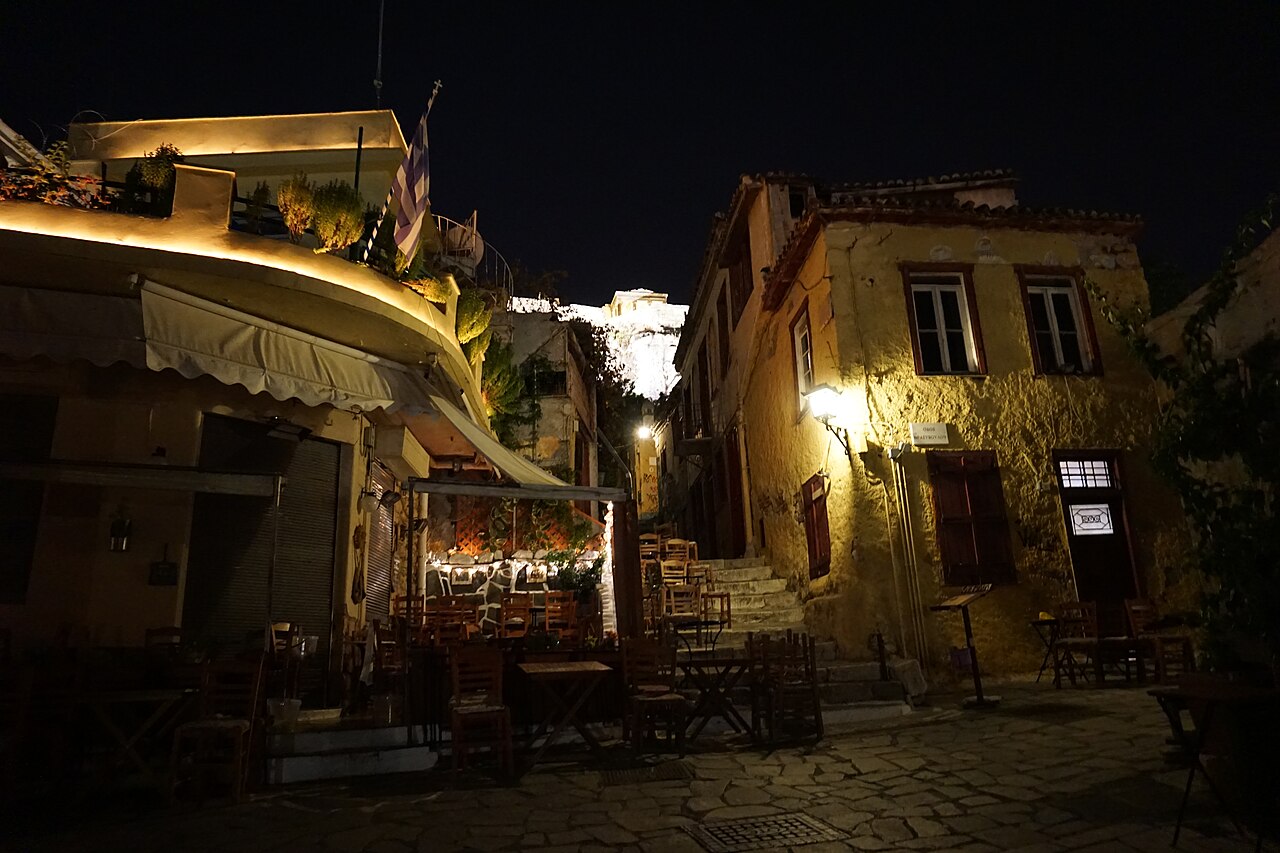
Stadtteile · Plaka
Anafiotika
A pocket of about 40 whitewashed Cycladic-style houses built into the rock directly under the Acropolis by 19th-century builders from the island of Anafi. It is residential, reached only on foot by narrow stepped lanes, and takes twenty minutes to walk through.
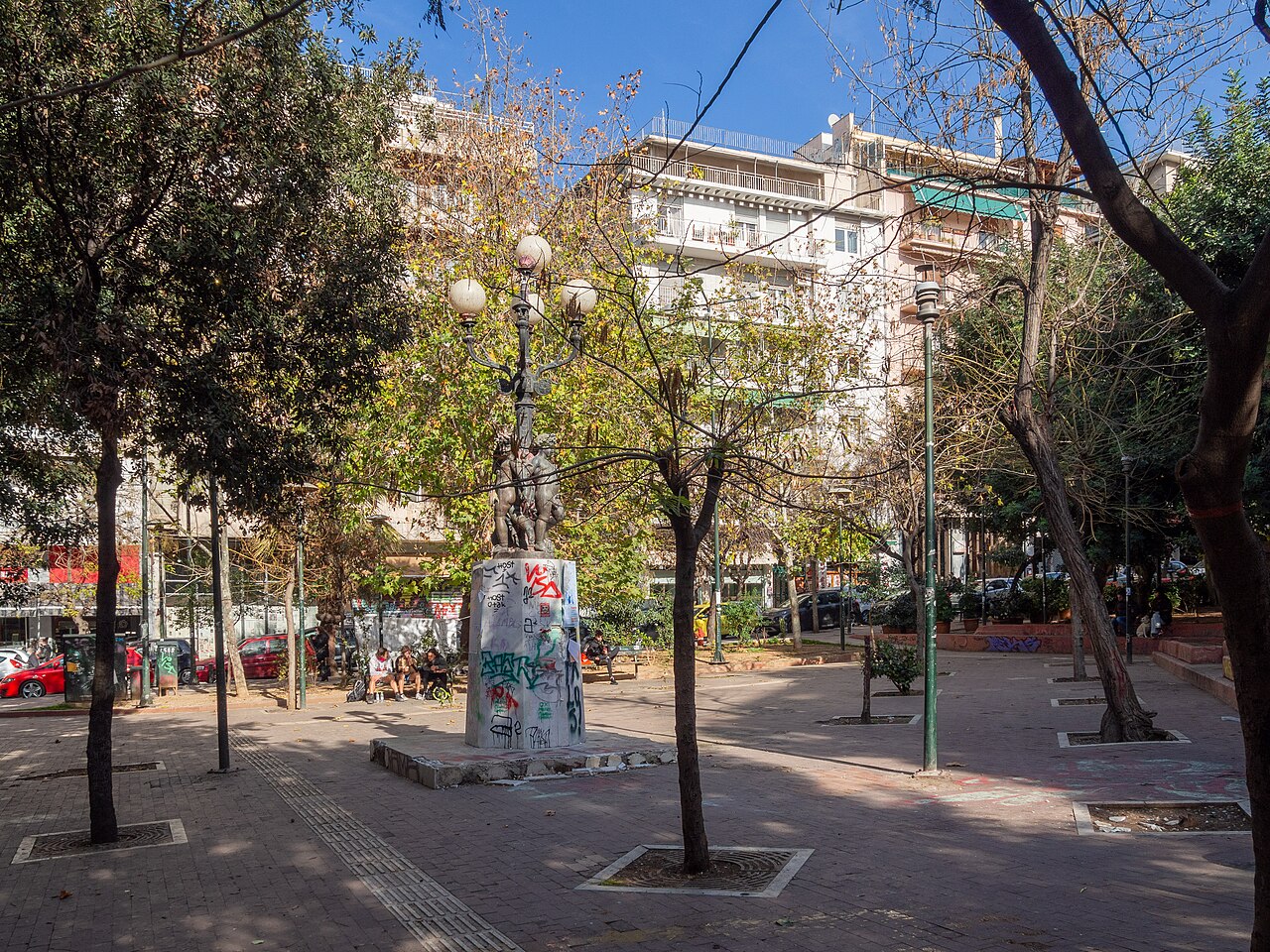
Stadtteile · Exarcheia
Exarcheia
Historically the centre of Athens' left, anarchist and student scene, with bookshops, rebetiko and rock bars, and a long tradition of political graffiti. Since 2022 a Line 4 metro construction site has occupied much of Exarcheia Square, police presence is permanent, and short-term rentals and tourist-facing cafés have multiplied — all of which is actively contested locally, with demonstrations continuing into 2026. In practice it is a normal, busy inner-city neighbourhood by day; the friction is political rather than a matter of visitor safety.
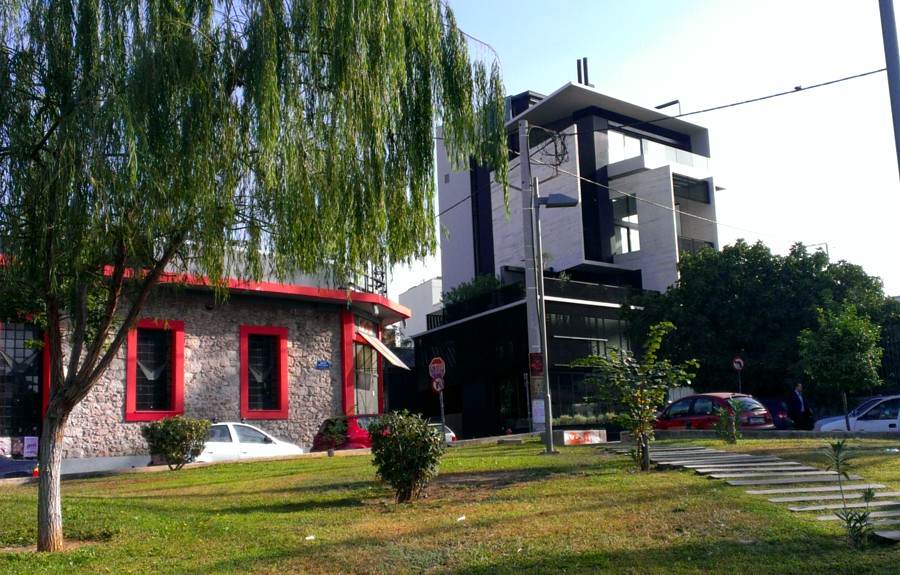
Stadtteile · Gazi / Kerameikos
Gazi
Built around the converted Technopolis gasworks complex, Gazi has been Athens' main late-night club district for two decades and remains the centre of the city's LGBTQ+ nightlife. It is largely dead by day, and the surrounding blocks are ordinary residential Athens rather than an extension of the bar strip.
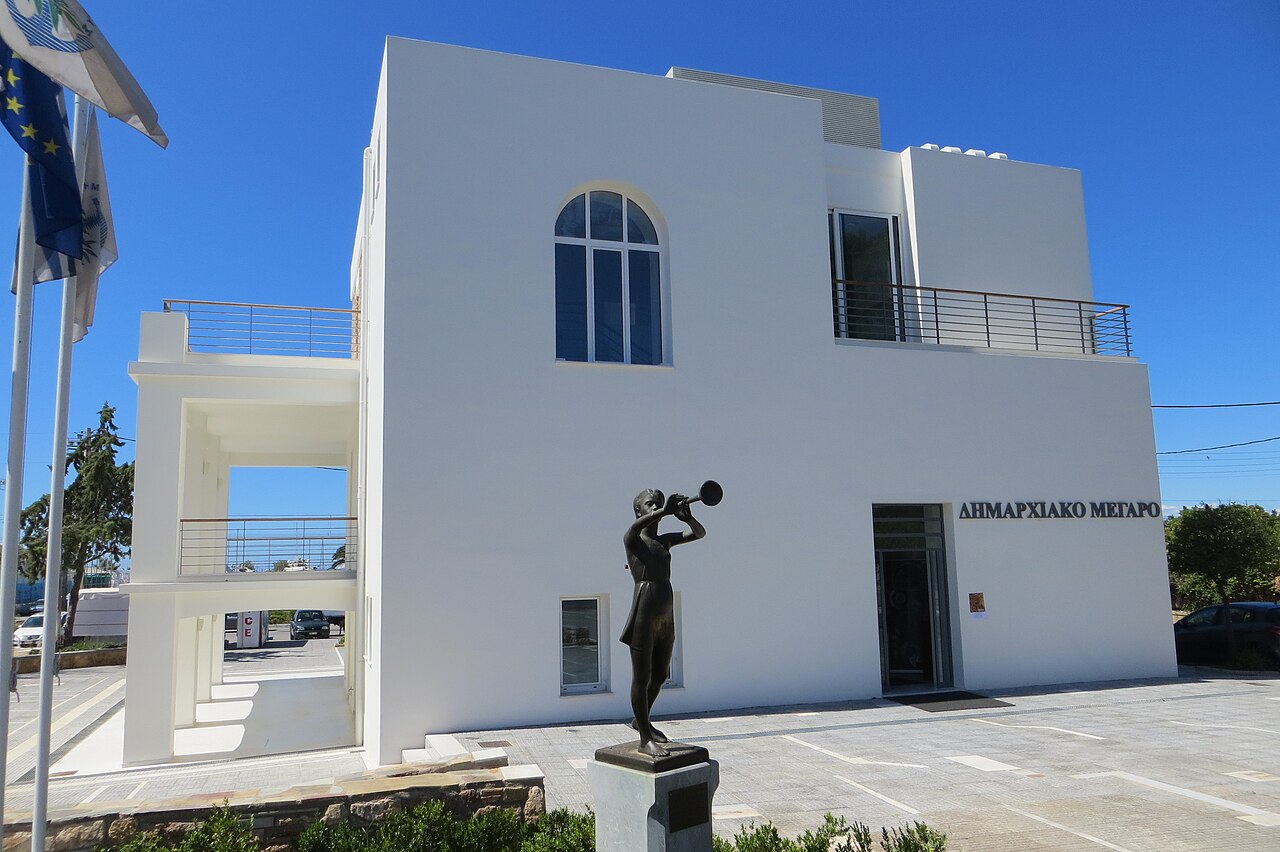
Stadtteile · Glyfada
Glyfada
The main town of the Athens Riviera, about 30-40 minutes from the centre by tram (change at Pikrodafni between lines T6 and T7). A grid of shopping streets around Grigoriou Lambraki, a string of organised and free public beaches, and Greece's first 18-hole golf course. Busy year-round, not just in summer, and expensive by Athenian standards.
Stadtteile · Ilisia
Ilisia
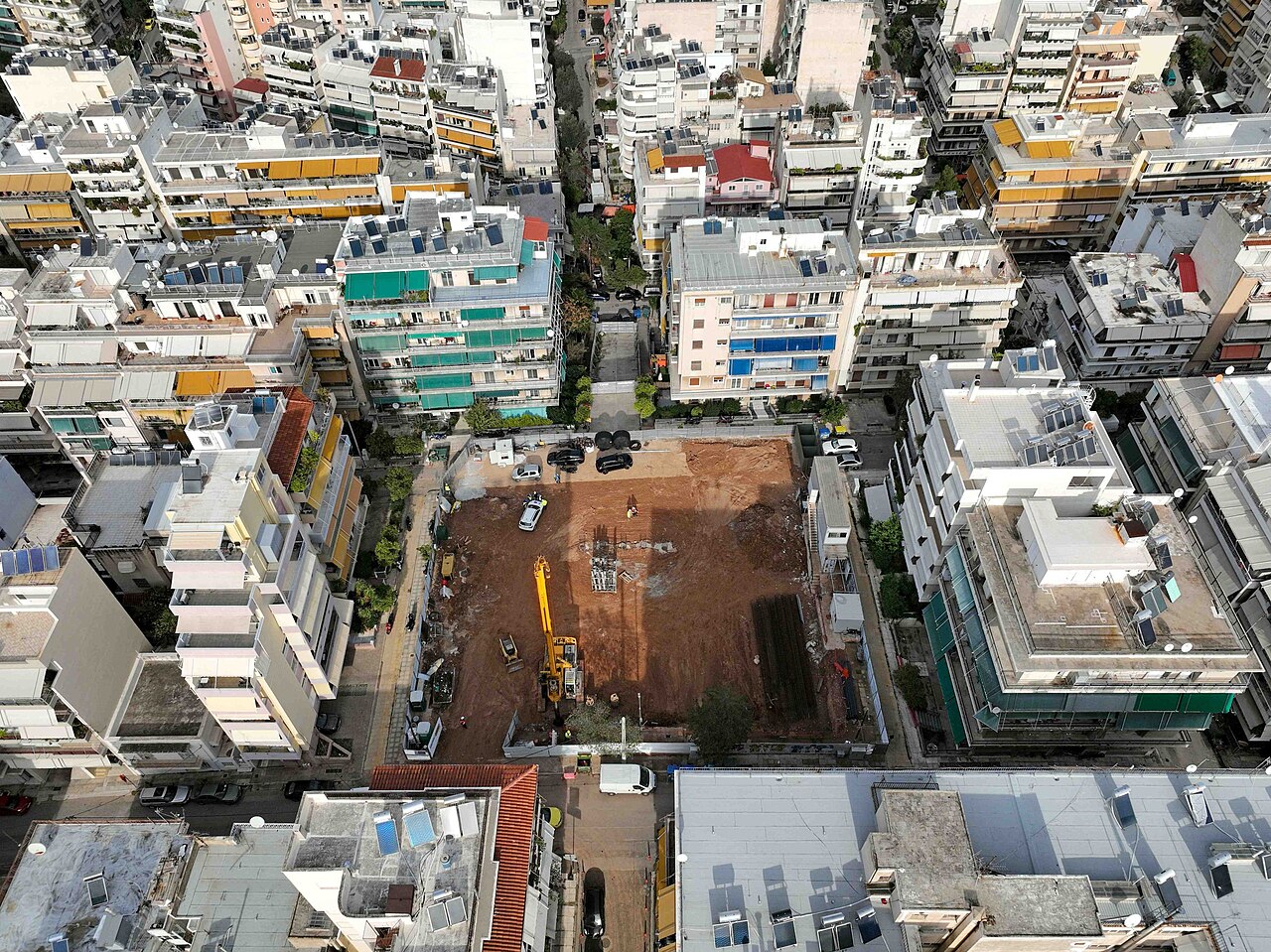
An eastern district split into Kato Ilisia, around the Hilton building (reopened as Conrad Athens The Ilisian) and the Athens Concert Hall, and Ano Ilisia, which runs up to the university campus at Zografou. Well served by Metro Line 3, mostly middle-class residential, with the Syngrou pine grove and the Byzantine and War museums nearby.
Stadtteile · Gazi / Kerameikos
Kerameikos
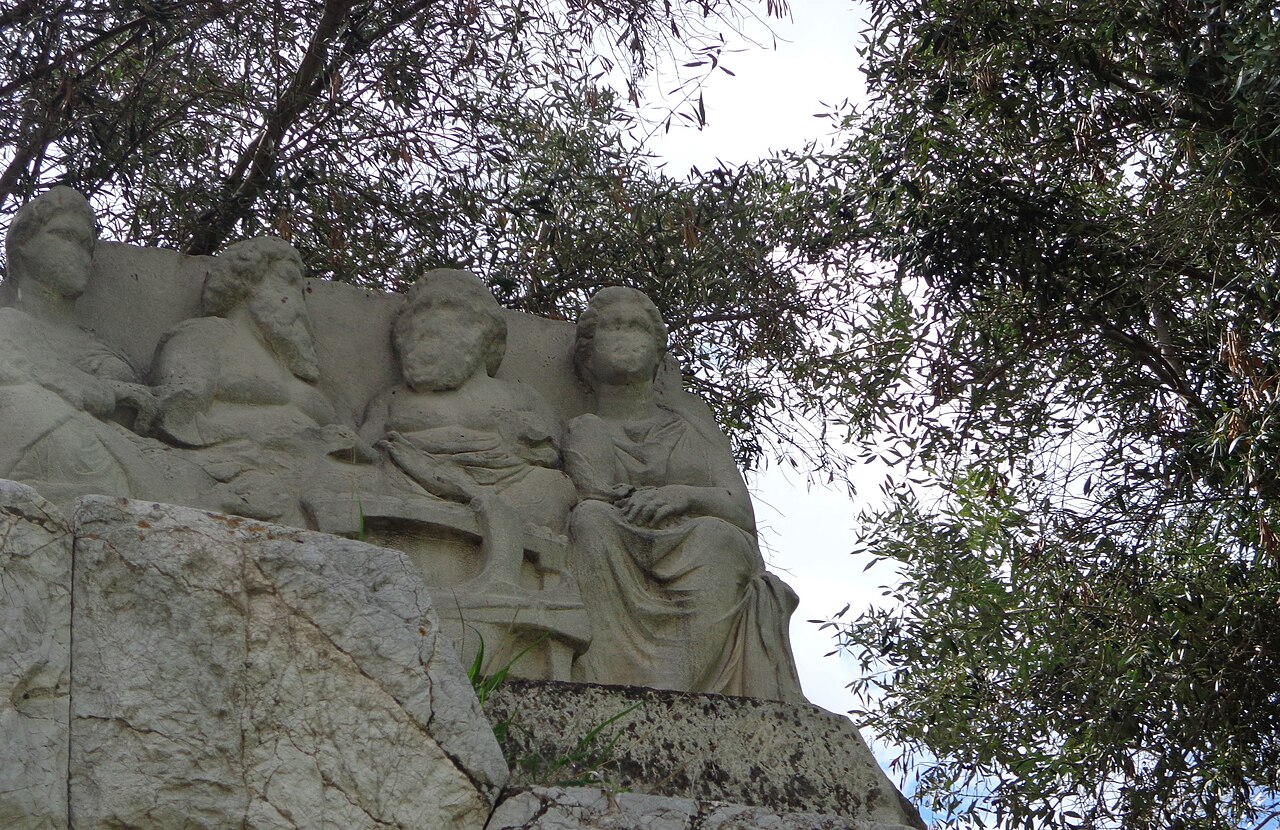
The area around the ancient cemetery and city gates of the same name, between Psyri, Gazi and Metaxourgeio, with its own metro station on Line 3. Leonidou Street and the blocks toward Gazi have filled with small bars and cafés; the Benaki Museum of Islamic Art overlooks the archaeological site.
Stadtteile · Kifisia
Kifisia
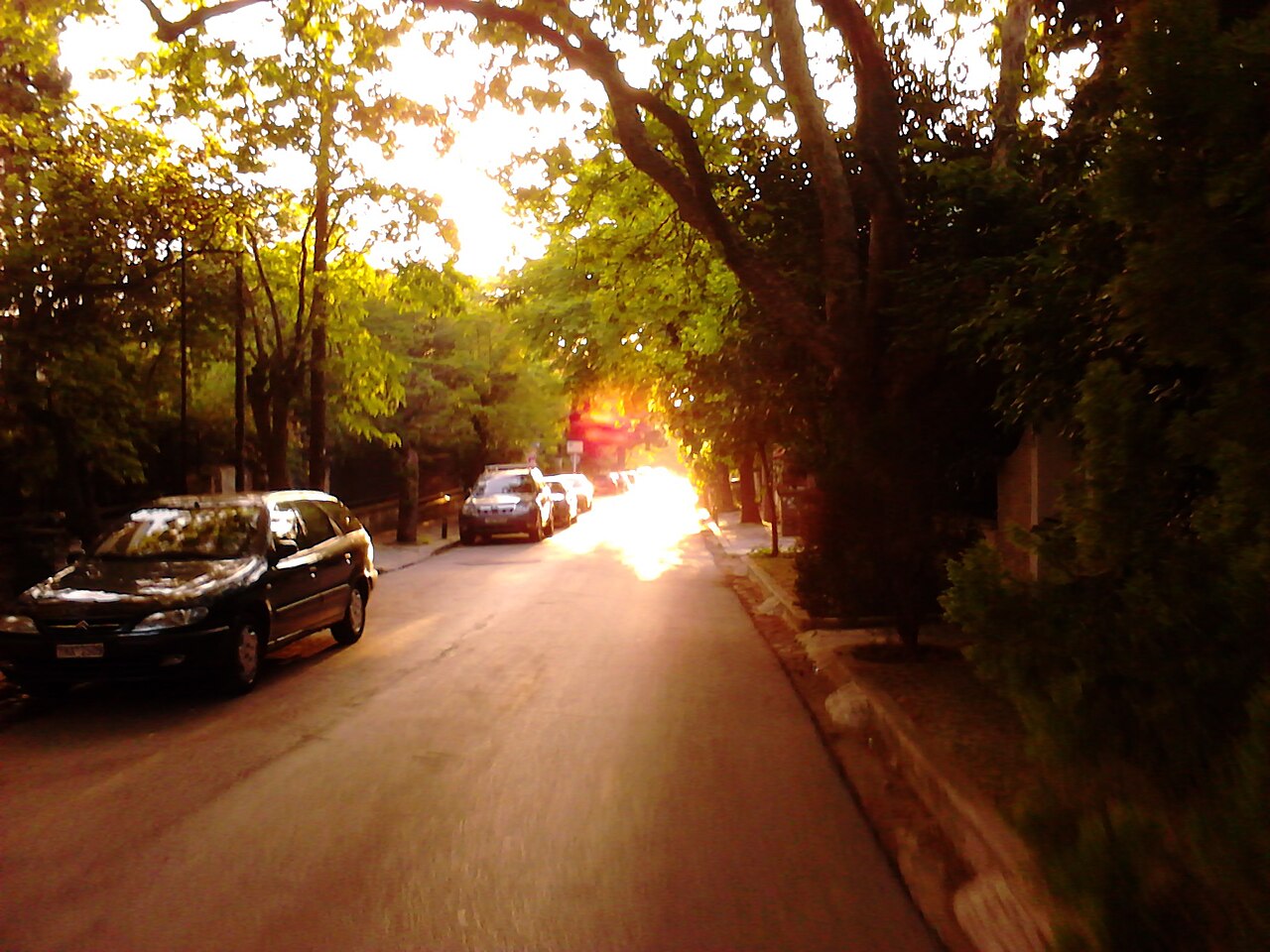
The historic wealthy northern suburb at the foot of Mount Penteli, terminus of Metro Line 1 and about 25-30 minutes from the centre. Villas, mature gardens, a concentration of luxury retail around Kolokotroni and Kefalari, old patisseries, and the Goulandris Natural History Museum; Alonia is the older, plainer quarter. Noticeably cooler than the centre in summer.
Stadtteile · Kolonaki
Kolonaki
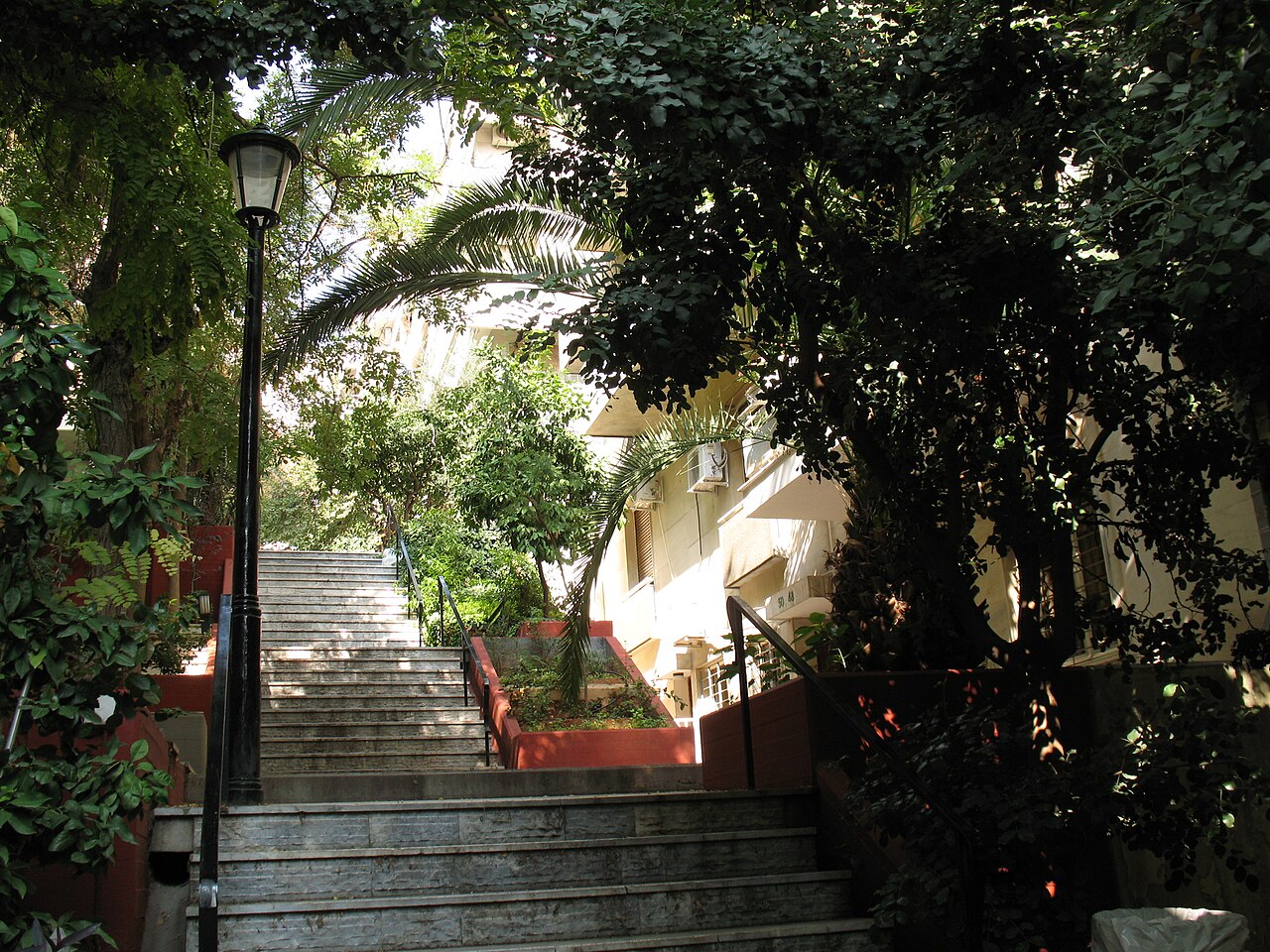
The wealthy district on the south-west slope of Lycabettus: embassies, private galleries, the Benaki and Goulandris museums, and designer retail on Skoufa and Patriarchou Ioakeim. The crisis years thinned out the fashion retail and replaced some of it with food shops and cafés; Kolonaki Square and Dexameni remain the neighbourhood's social centres.
Stadtteile · Kolonos
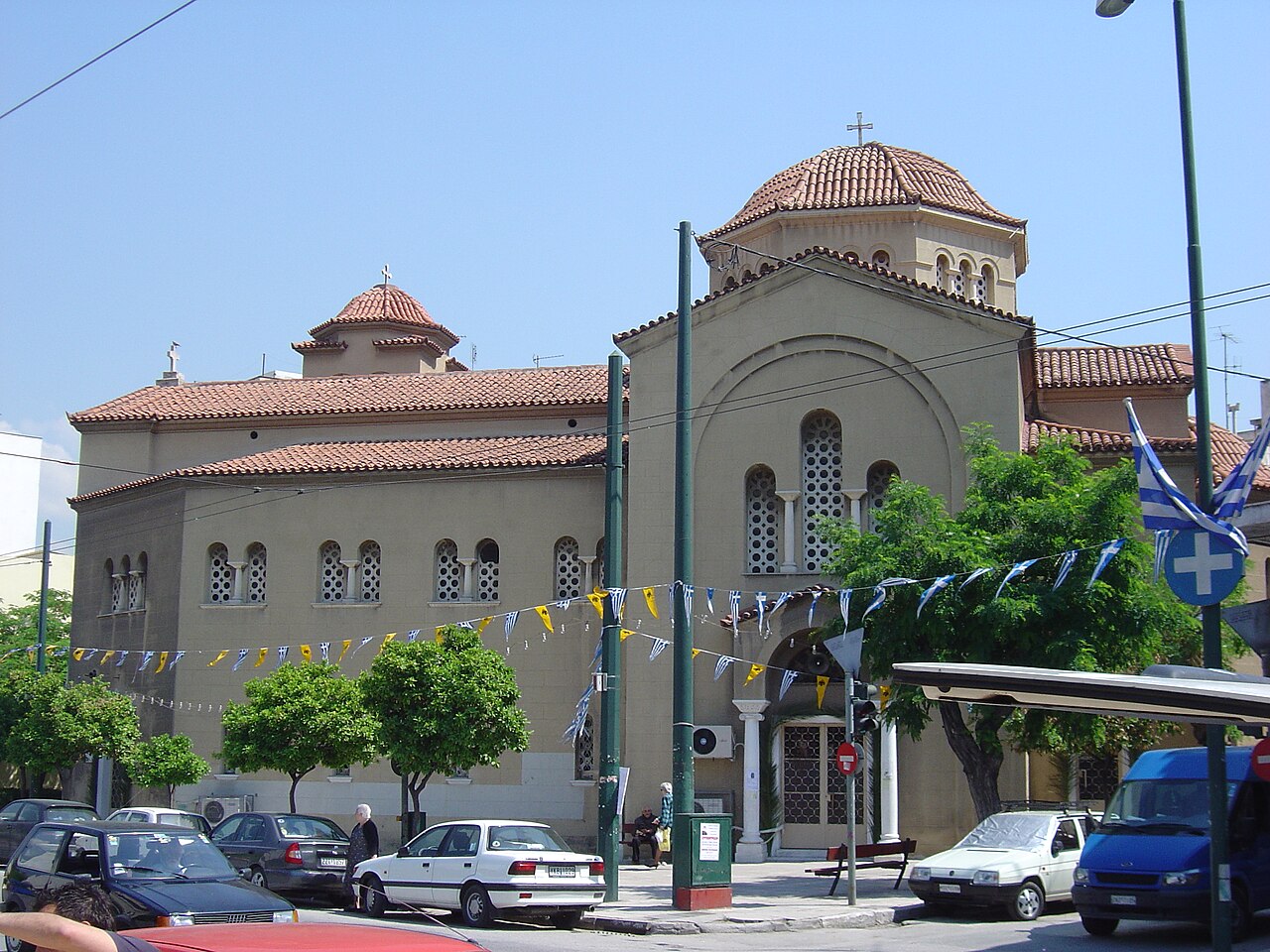
Kolonos
A working-class district north-west of the centre, next to Sepolia and Akadimia Platonos, with a large migrant population and some of the cheaper rents in the municipality of Athens. Its main draw is the adjoining archaeological park of Plato's Academy, an open green site slated for remodelling and a planned museum. Few visitor facilities; almost no tourism.
Stadtteile · Koukaki
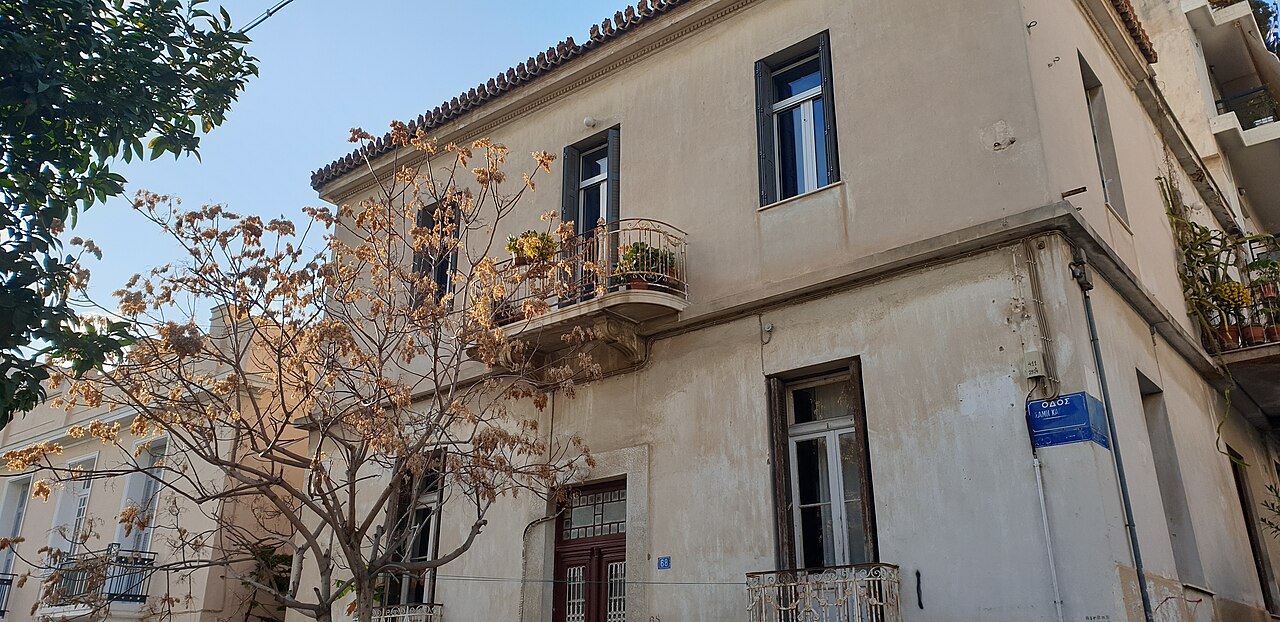
Koukaki
A residential neighbourhood immediately south of the Acropolis, bounded by Dionysiou Areopagitou, Philopappos Hill and Syngrou Avenue, with two metro stations (Akropoli and Syngrou-Fix). Drakou and Georgaki Olympiou are its café and taverna streets; it has been heavily affected by short-term rentals since around 2017 and is inside the central districts where new registrations are frozen.
Stadtteile · Kypseli
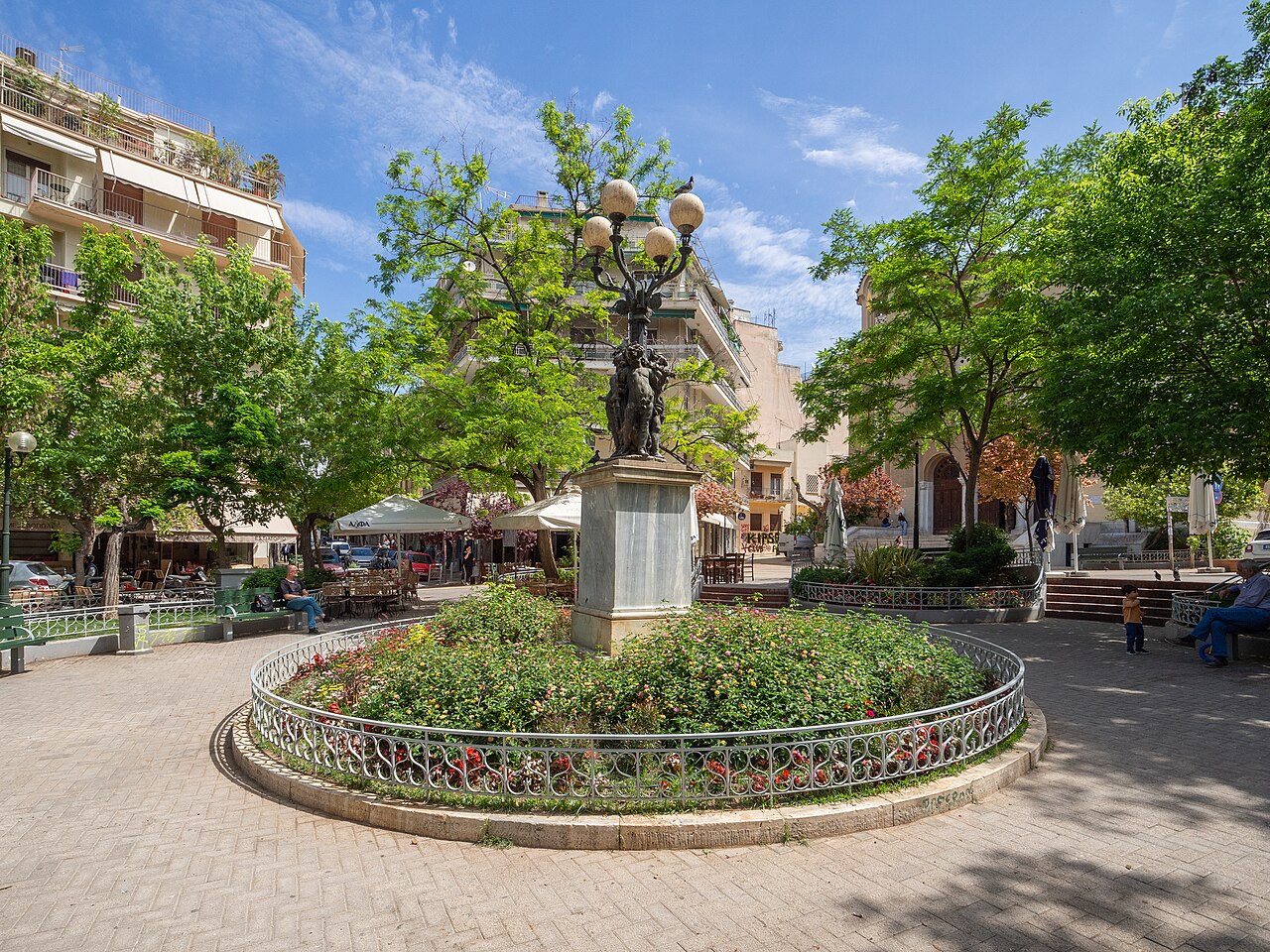
Kypseli
A dense, very mixed neighbourhood north of the centre — once bourgeois, then long neglected, now among the fastest-changing areas in Athens. Fokionos Negri, a pedestrianised boulevard built over a stream, is the spine; the restored 1935 Municipal Market at No. 42 runs as a social-enterprise and events space and is the clearest marker of the area's shift.
Stadtteile · Marousi
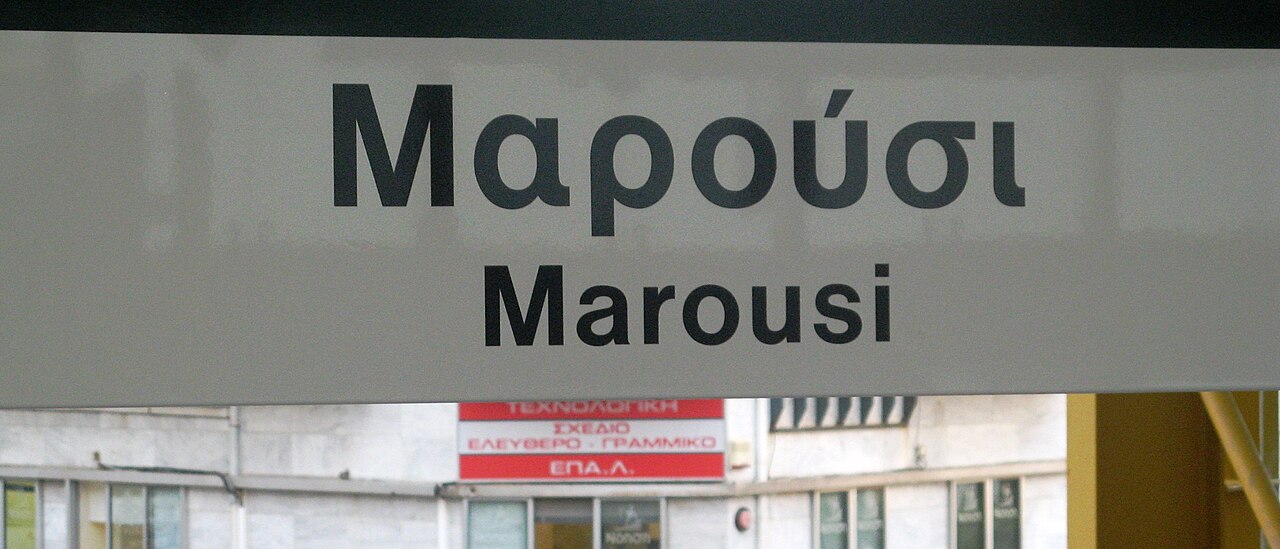
Marousi
A northern suburb that doubles as one of Attica's main business districts, strung along Kifissias Avenue and served by Metro Line 3 and the suburban railway. It holds the OAKA Olympic Sports Complex — the 2004 main stadium, now Panathinaikos' home ground and a large concert venue — and The Mall Athens shopping centre. Corporate and residential rather than scenic.
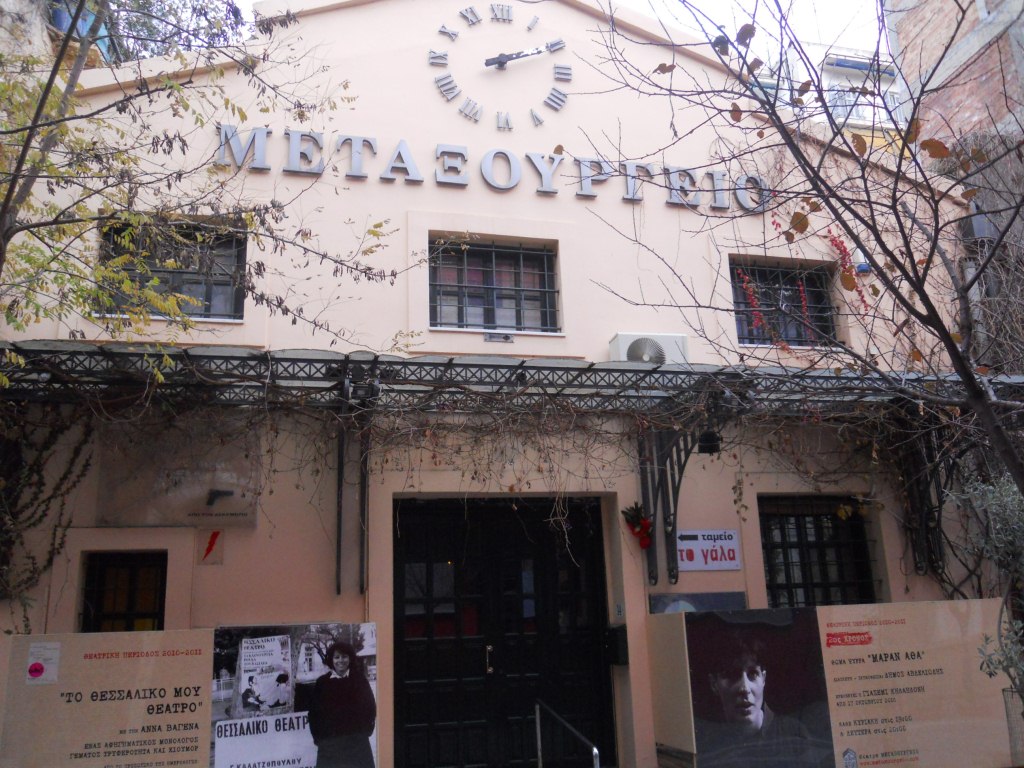
Stadtteile · Metaxourgeio
Metaxourgeio
A genuinely mixed district north of Kerameikos, named after a 19th-century silk mill: galleries, small theatres and restaurants around Avdi Square sit alongside migrant-run shops, a South and East Asian commercial strip near Kolonou Street, and blocks that remain run-down. Change here has been slower and patchier than in Koukaki or Pangrati.
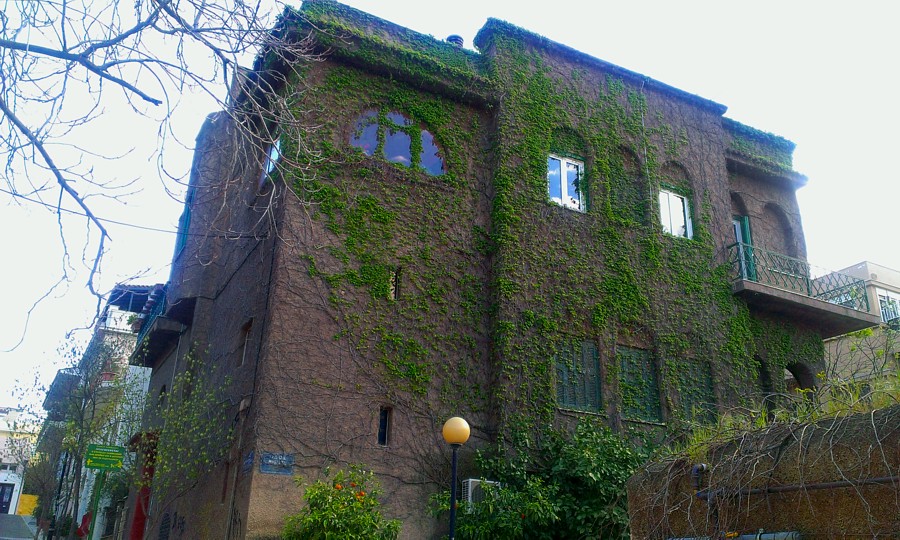
Stadtteile · Mets
Mets
A small, steep neighbourhood between the Panathenaic Stadium and the First Cemetery, on the slopes of Ardittos Hill. Century-old cottages, neoclassical houses and interwar apartment blocks, very few shops, and almost no tour groups despite being ten minutes from the Acropolis.
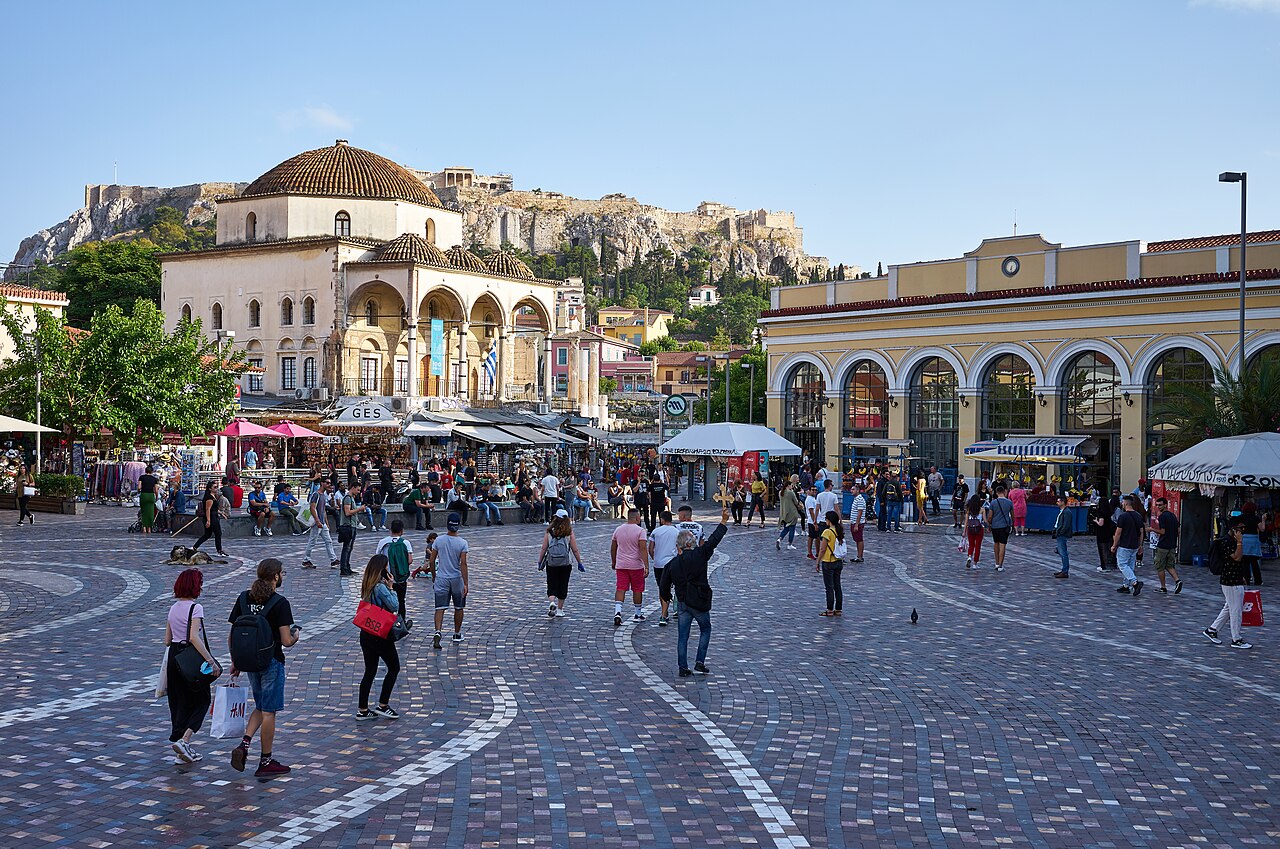
Stadtteile · Monastiraki
Monastiraki
The square and flea-market grid between Plaka, Psyri and the Ancient Agora, with a metro interchange (Lines 1 and 3) underneath it. Avissynias Square and the surrounding lanes still hold genuine antique and junk dealers; Ifestou and Pandrossou streets are mostly mass-market souvenirs, and the area's rooftop bars are busy year-round.
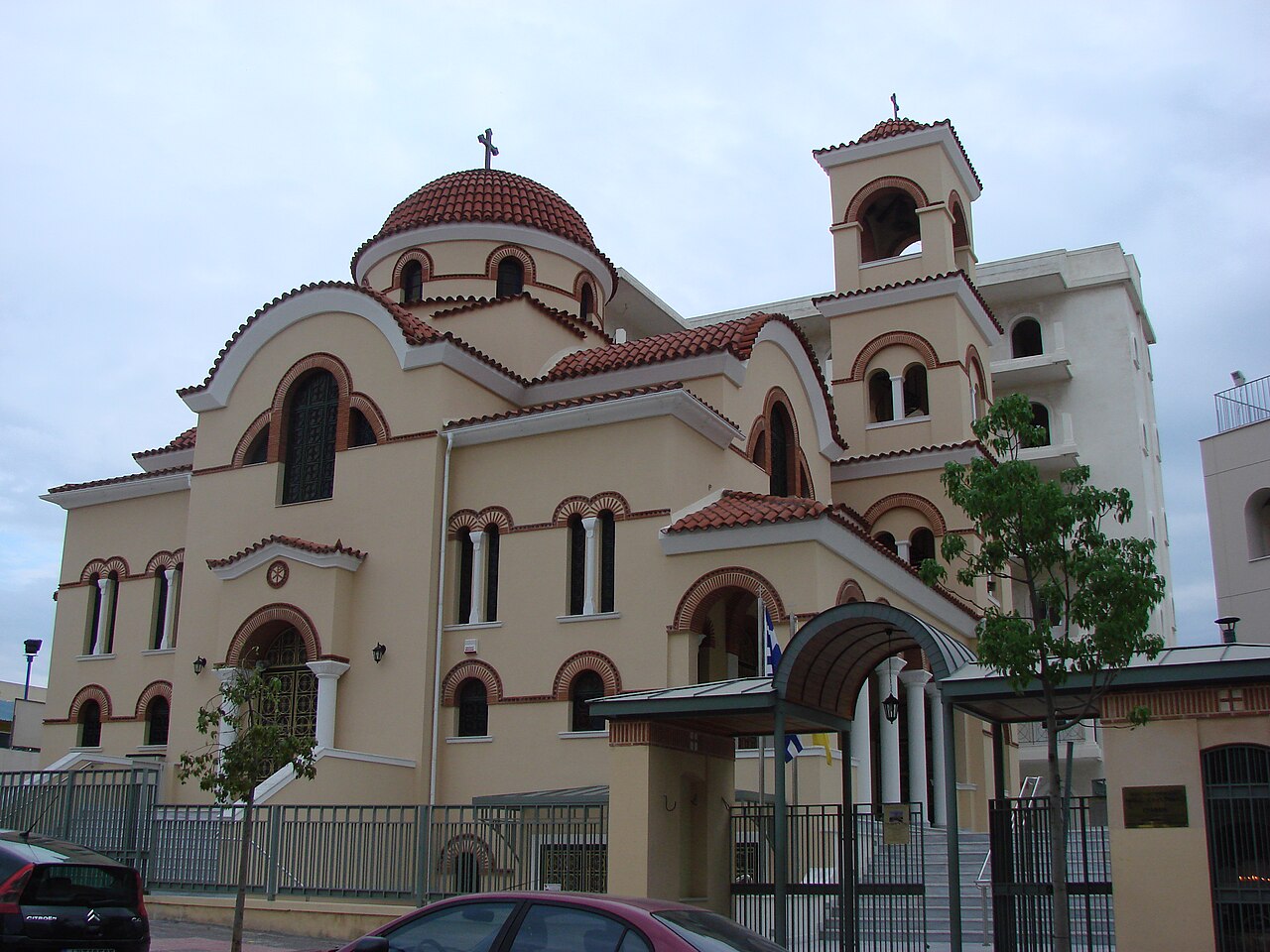
Stadtteile · Nea Smyrni
Nea Smyrni
A large, leafy municipality south of the centre founded by Asia Minor refugees, built around a pedestrianised central square that is one of the busiest evening meeting points in southern Athens. Next to the square is Alsos Neas Smyrnis, a pine grove with a running track, outdoor gym and summer cinema. Almost entirely a residential and local-nightlife area, with no monuments.
Stadtteile · Neos Kosmos
Neos Kosmos
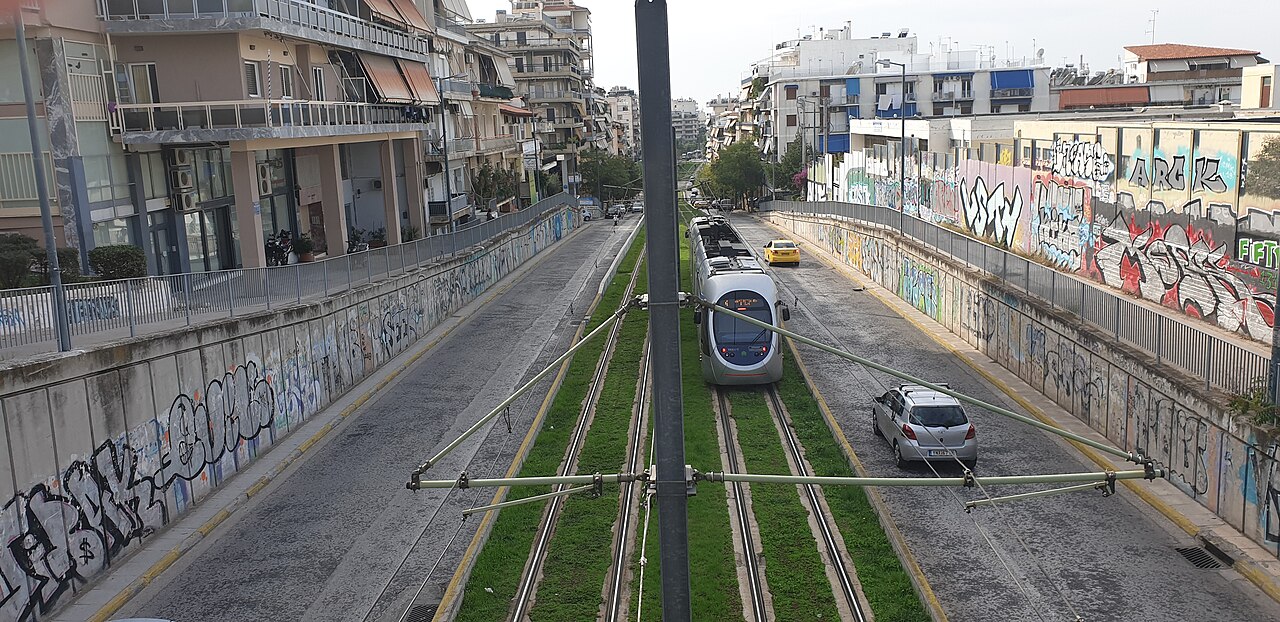
A working residential district along Syngrou Avenue south of the centre, anchored culturally by the Onassis Stegi at 107-109 Syngrou and the National Museum of Contemporary Art in the former Fix brewery on Kallirrois. Around those institutions are record shops, small theatres and bars; away from them it stays plainly residential.
Stadtteile · Omonia
Omonia
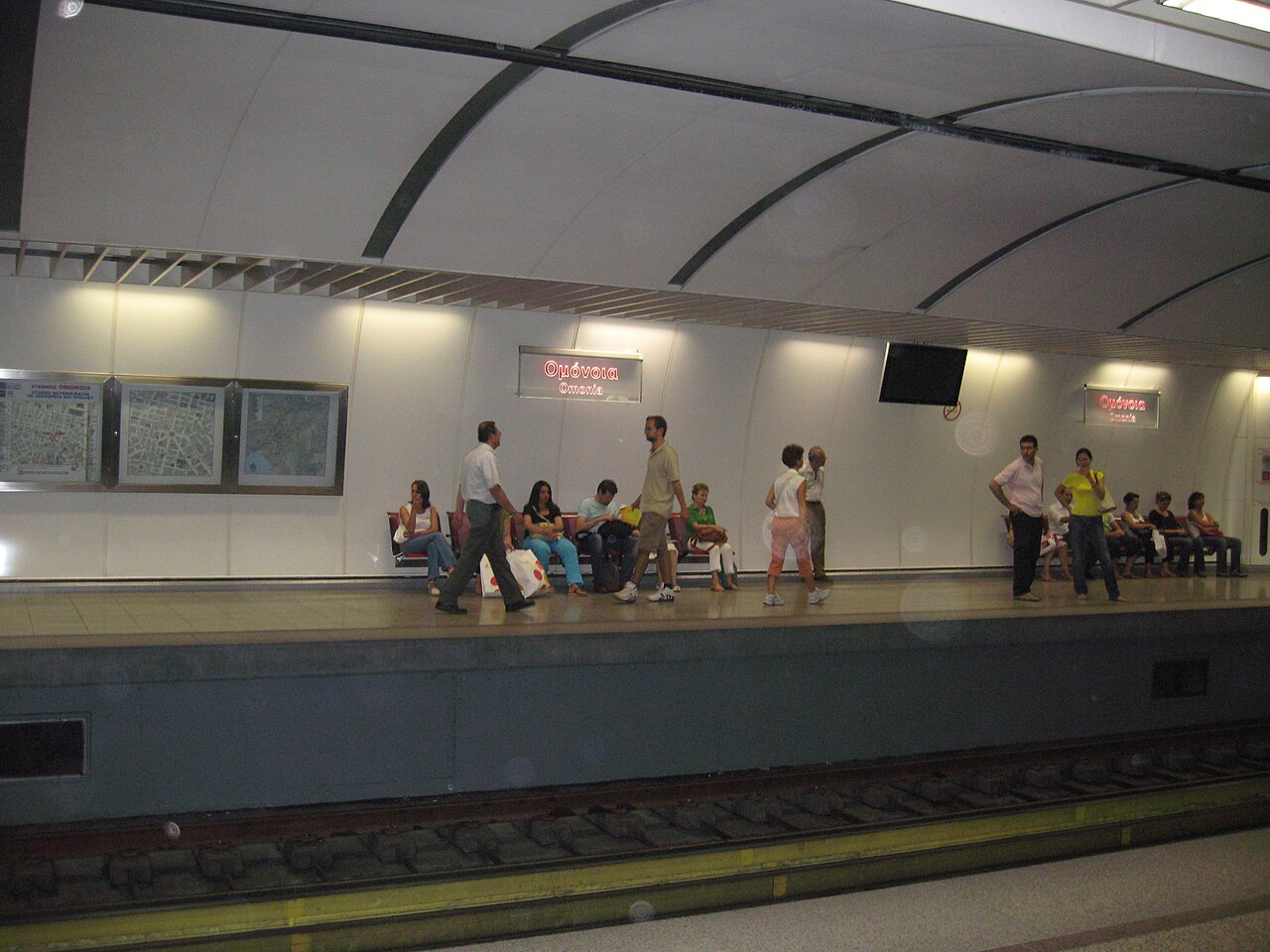
The other central square, a metro interchange (Lines 1 and 2) redesigned in 2020 with a restored fountain, ringed by new and renovated hotels and by the wholesale and cheap-retail streets running toward the Central Market. The square itself and the main avenues are busy and policed; some narrow side streets to the north-west have visible drug use, rough sleeping and street prostitution, particularly at night. It is not dangerous to walk through, but it is the most visibly hard-edged part of central Athens.
Stadtteile · Pangrati
Pangrati
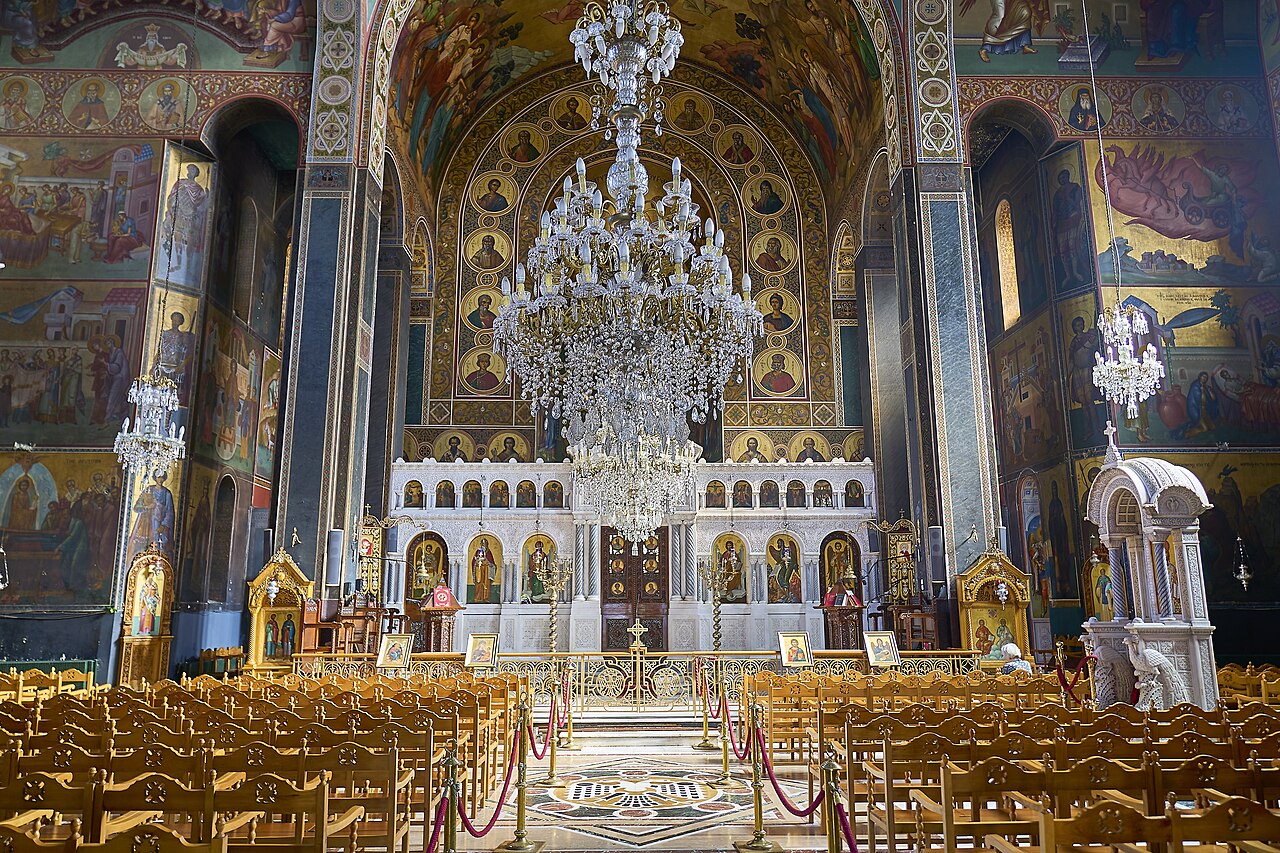
A dense residential neighbourhood east of the Panathenaic Stadium that became one of the city's main eating-out districts during and after the crisis, when chefs and bars followed cheap rents. Varnava and Plastira squares are the focal points; prices and rents have risen sharply since 2020 and it is now firmly on the visitor map rather than a local secret.
Stadtteile · Petralona
Petralona (Ano and Kato)
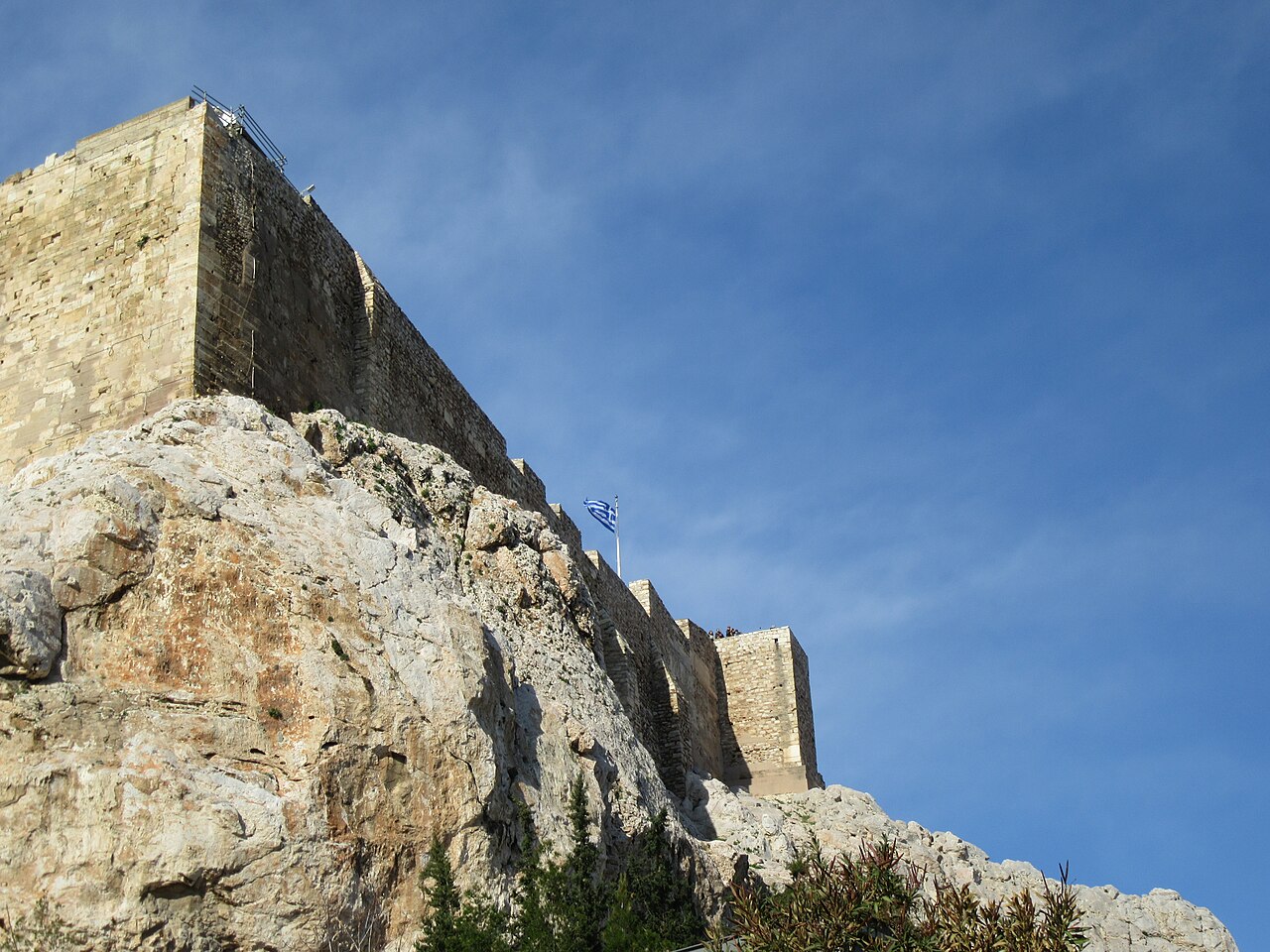
Two linked neighbourhoods west of Philopappos Hill, settled in part by Asia Minor refugees after 1922. Ano Petralona, on the hill slope, has the small squares, old tavernas and bars and is the one usually cited as a gentrification case; Kato Petralona, around the Line 1 station, is flatter, plainer and more everyday.
Stadtteile · Piraeus
Piraeus (and Mikrolimano)
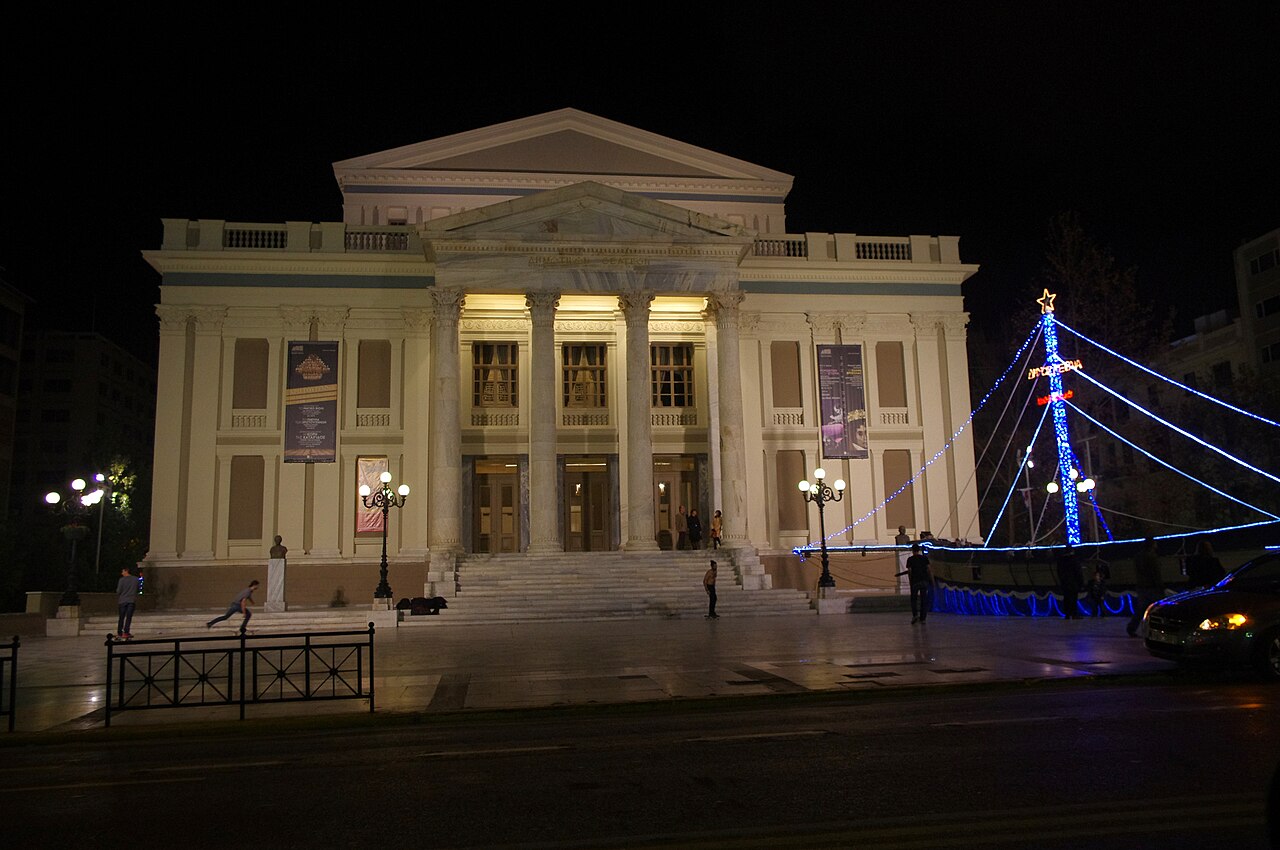
Greece's main port and a city in its own right, about 20 minutes from Syntagma on Metro Line 3. Beyond the ferry terminals are Zea/Pasalimani marina, the hillside neighbourhood of Kastella with the Veakeio open-air theatre, and Mikrolimano, a small fishing harbour ringed by fish restaurants and sailing clubs. The Archaeological Museum of Piraeus and the Municipal Theatre are the other reasons to come.
Stadtteile · Plaka
Plaka
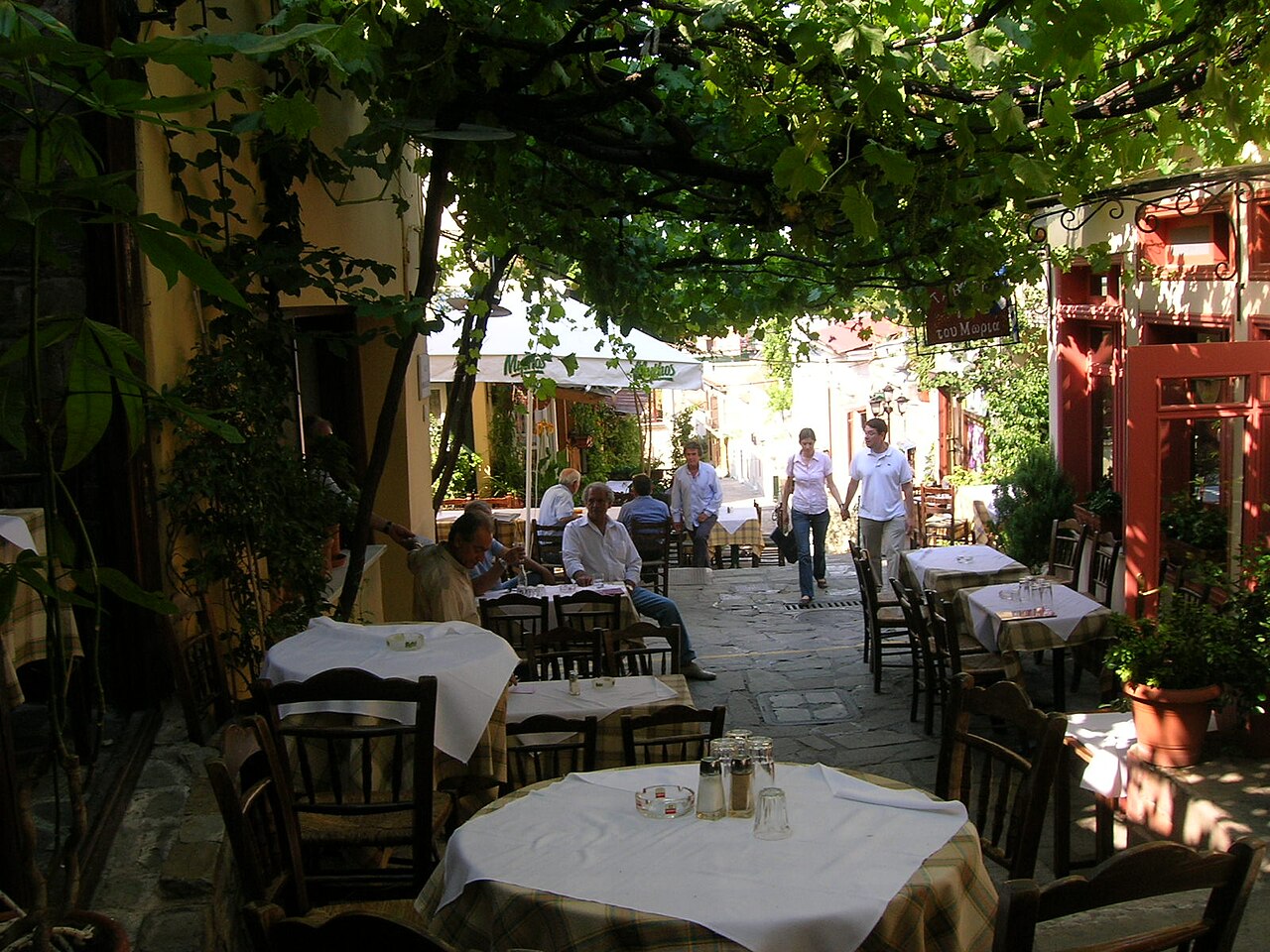
The old quarter on the north-east slope of the Acropolis: neoclassical houses, stepped lanes and the densest concentration of souvenir shops and tourist tavernas in Greece. It is now the sharp end of Athens' overtourism debate — roughly 2,000 residents against a summer daily flow many times that, and no new short-term rental registrations allowed in the district since January 2025.
Stadtteile · Psyri
Psyri
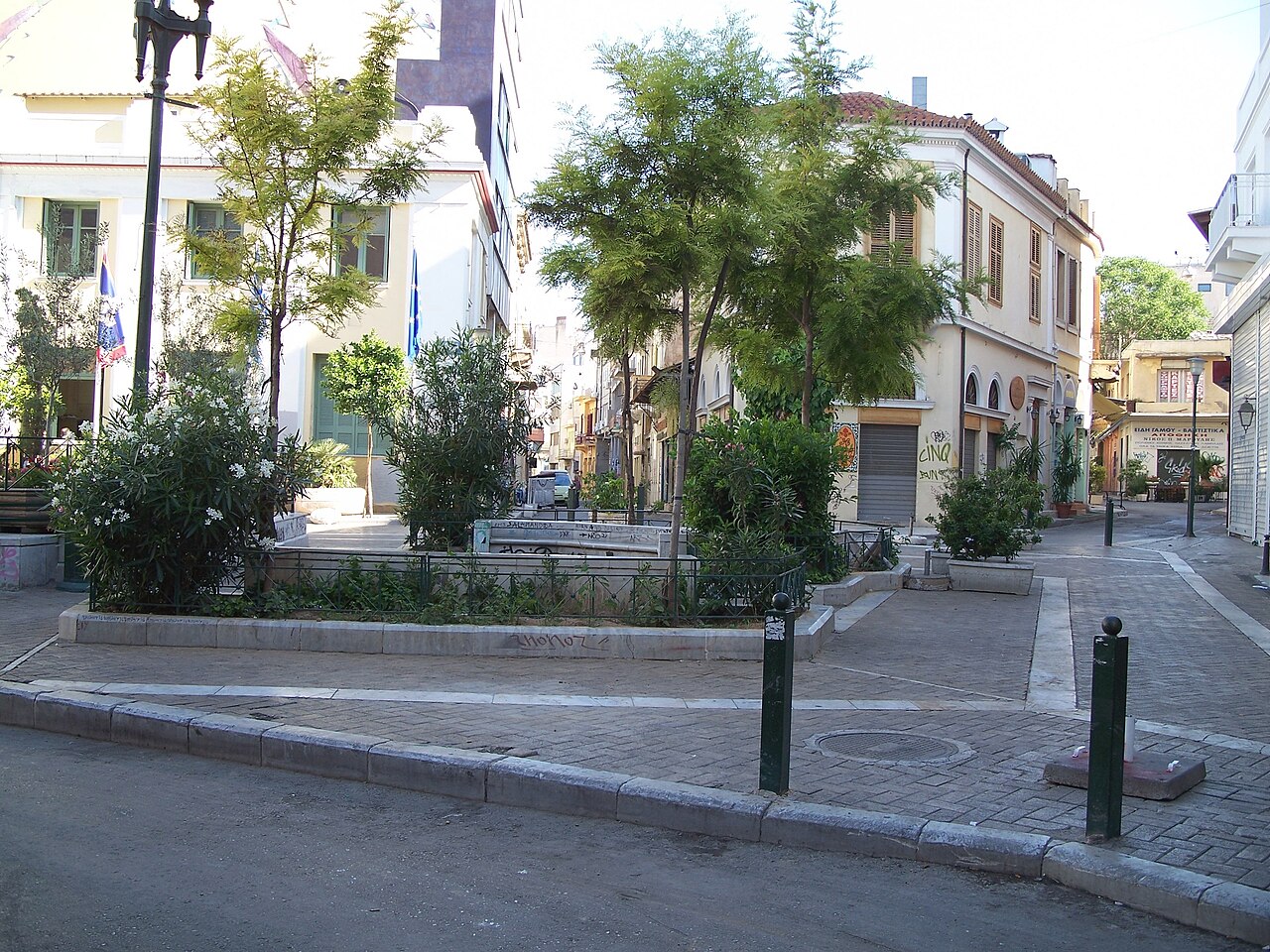
A former workshop and warehouse quarter north of Monastiraki, now one of the busiest eating and drinking districts in the centre — mezedopoleia, cocktail bars, rooftops and a lot of street art, with leather and hardware workshops still trading on some blocks. Peak street activity runs from about midnight, and the mix of genuine tavernas and tourist-facing ones is uneven.
Stadtteile · Syntagma
Syntagma
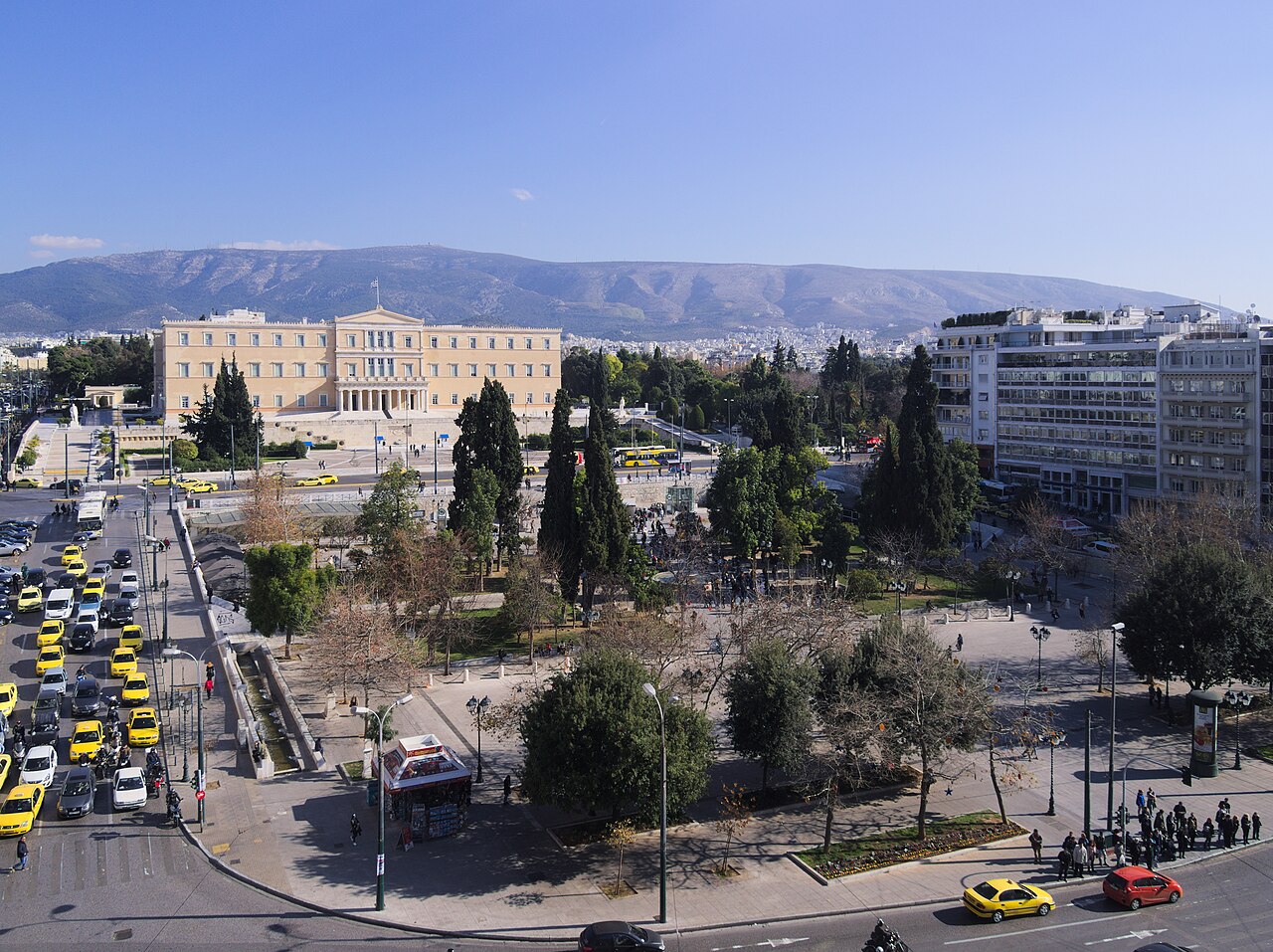
The civic and transport centre of Athens: the Parliament building and Tomb of the Unknown Soldier with the Evzone guard change on the hour, the main metro interchange (Lines 2 and 3, direct to the airport), and the head of Ermou shopping street. It is a place people pass through and demonstrate in rather than a residential neighbourhood.
Stadtteile · Thiseio
Thiseio
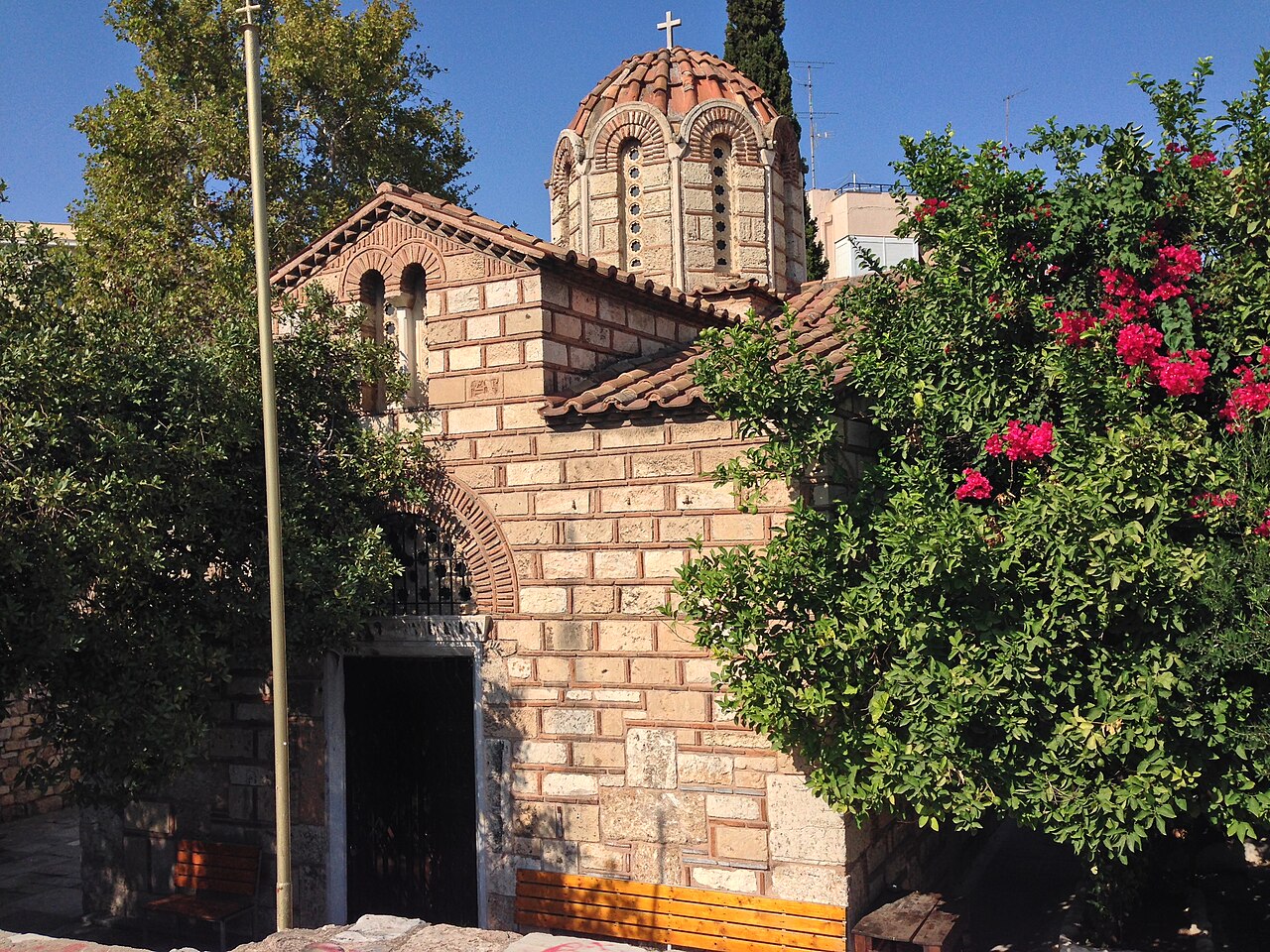
A low-rise neighbourhood west of the Acropolis, defined by the pedestrianised Apostolou Pavlou promenade running past the Ancient Agora and the Temple of Hephaestus. Cafés line the promenade and the Hill of the Nymphs with the National Observatory sits directly above it; quieter and less commercial than neighbouring Monastiraki.