Explore
Best for
27 results
Ancient sites · Acropolis
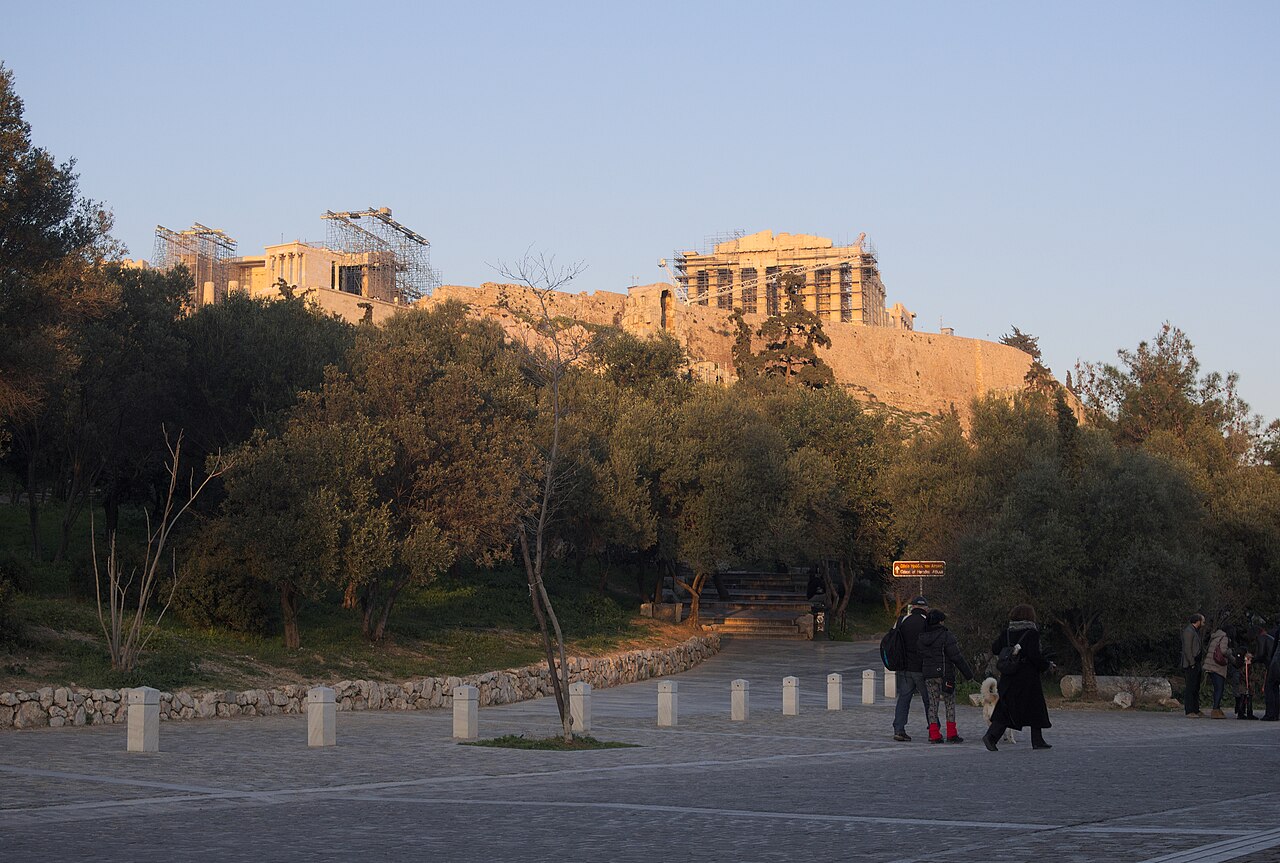
Acropolis of Athens
The fortified limestone citadel above the city, carrying the Parthenon, Erechtheion, Temple of Athena Nike and Propylaea, most of them built in the second half of the 5th century BC. It is a UNESCO World Heritage Site and entry is by timed-slot ticket booked in advance through the Ministry of Culture's platform; the daily visitor number is capped.
Ancient sites · Monastiraki
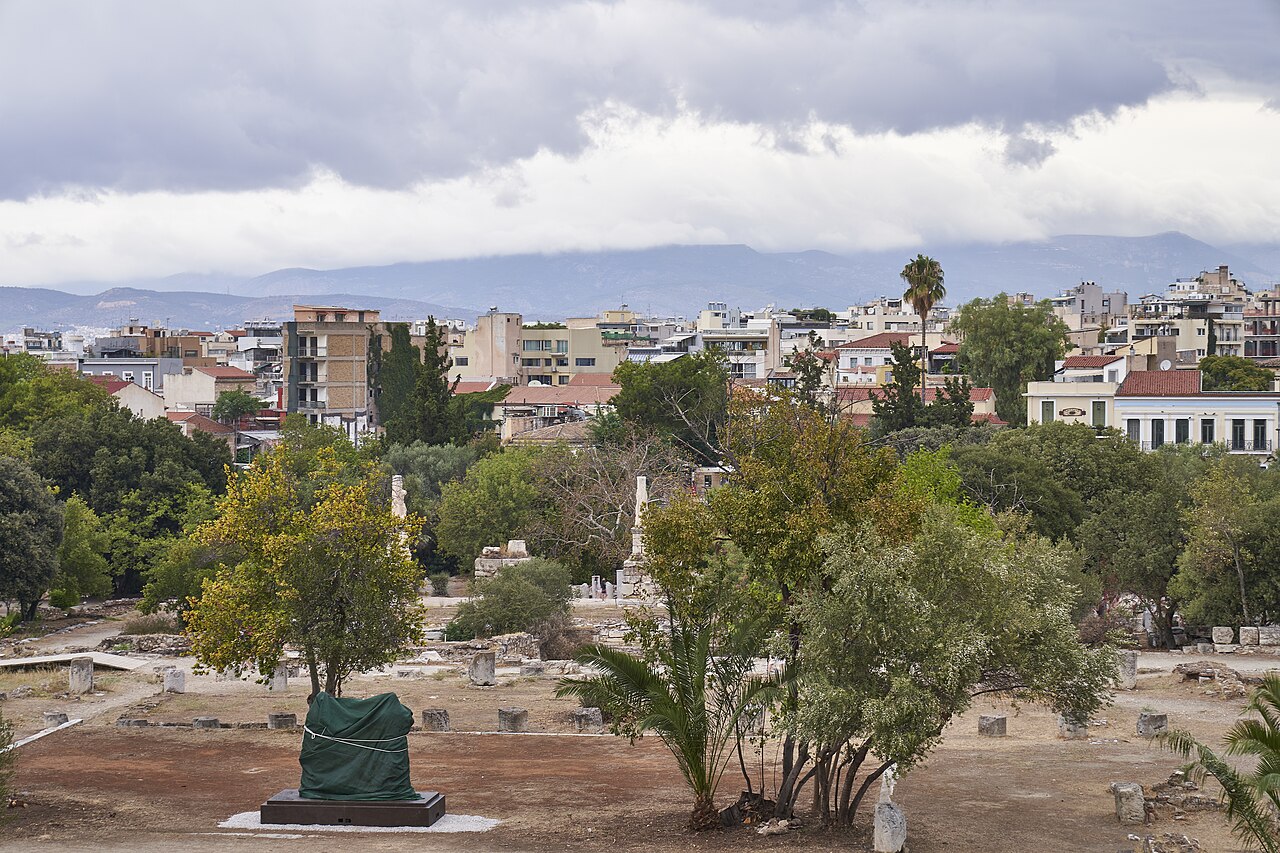
Ancient Agora of Athens
The civic and commercial centre of classical Athens, north-west of the Acropolis, containing the Temple of Hephaestus, the rebuilt Stoa of Attalos and the Panathenaic Way. A three-million-euro accessibility and visitor-facilities upgrade ran from 2023 and was inaugurated on 29 July 2026; since 1 July 2025 entry has been through the gate on Thiseio Square.
Ancient sites · Plaka
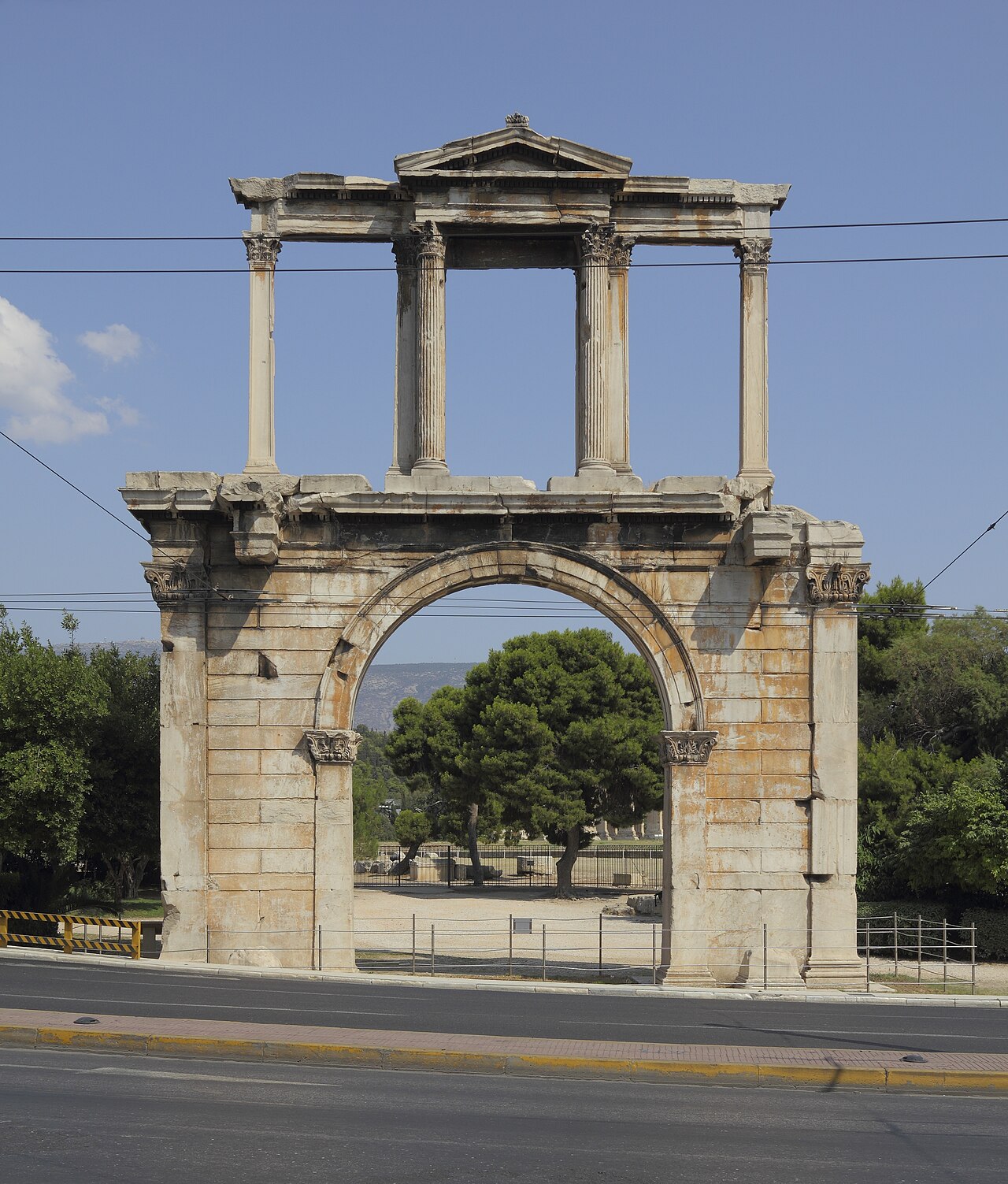
Arch of Hadrian
A marble gateway of AD 131 or 132 standing on Vasilissis Amalias Avenue between Plaka and the Olympieion. Its two inscriptions name the north-west side as the city of Theseus and the south-east side as the city of Hadrian.
Ancient sites · Plaka
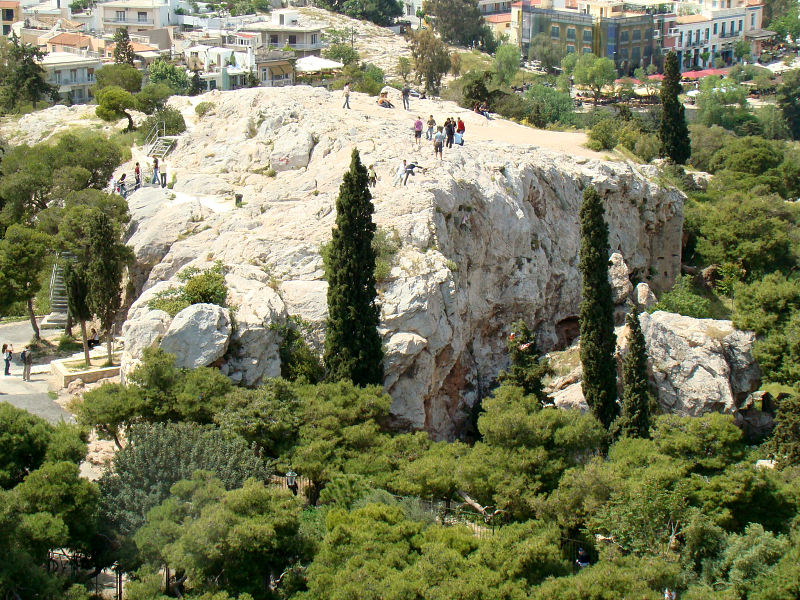
Areopagus
A bare rock outcrop just below the west entrance of the Acropolis, seat of the ancient council that judged homicide and religious cases. Acts 17 places the Apostle Paul's address to the Athenians here; a bronze plaque with the text is fixed at the foot of the rock.
Ancient sites · Chaidari
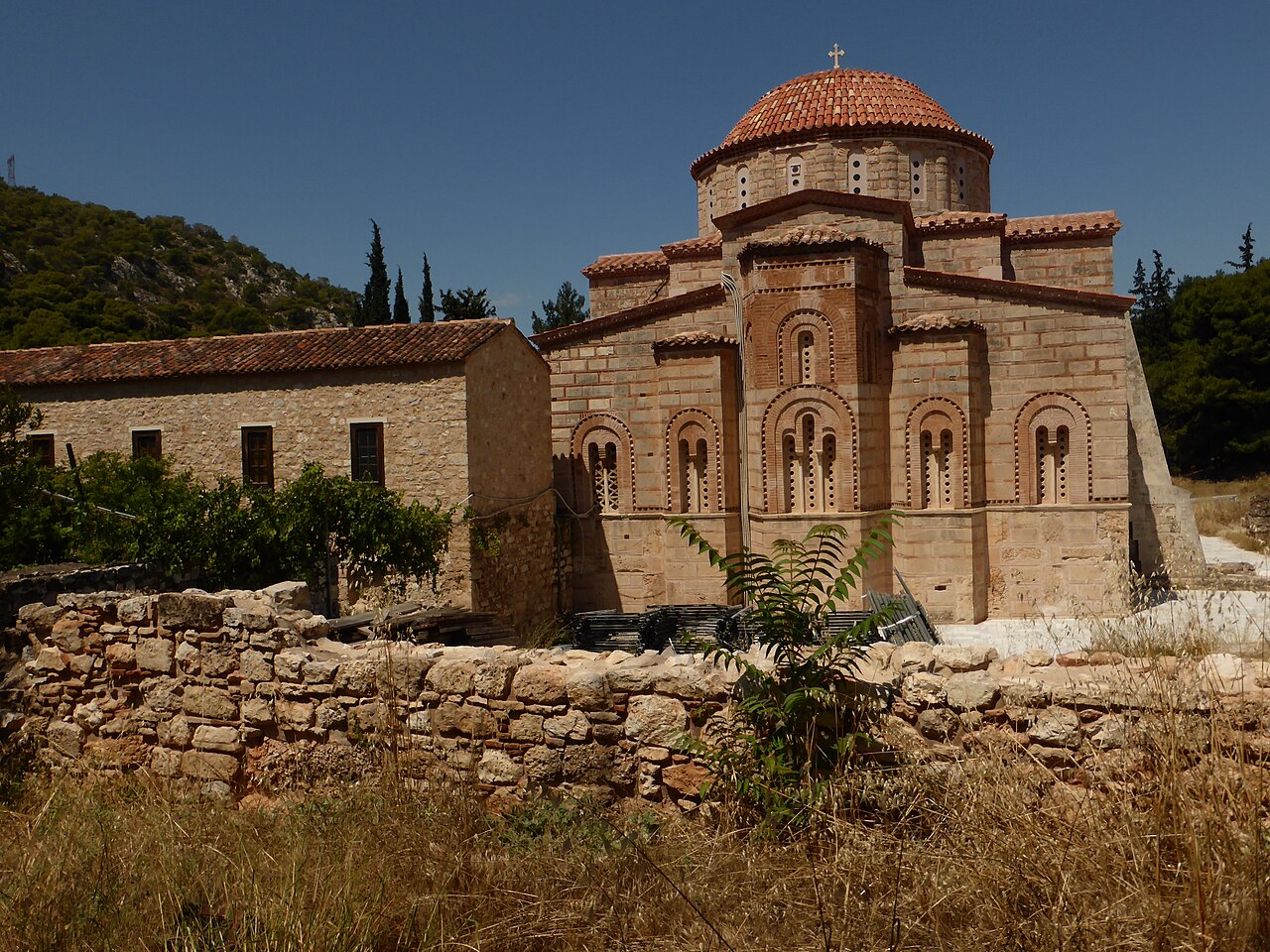
Daphni Monastery
An 11th-century monastery on the ancient Sacred Way about 10 km north-west of the centre, inscribed on the UNESCO World Heritage list in 1990 for its Middle Byzantine mosaics, including the Christ Pantocrator in the dome. It was badly damaged in the 1999 earthquake and reopened after roughly two decades of restoration; admission is free and it is closed on Tuesdays.
Ancient sites · Acropolis
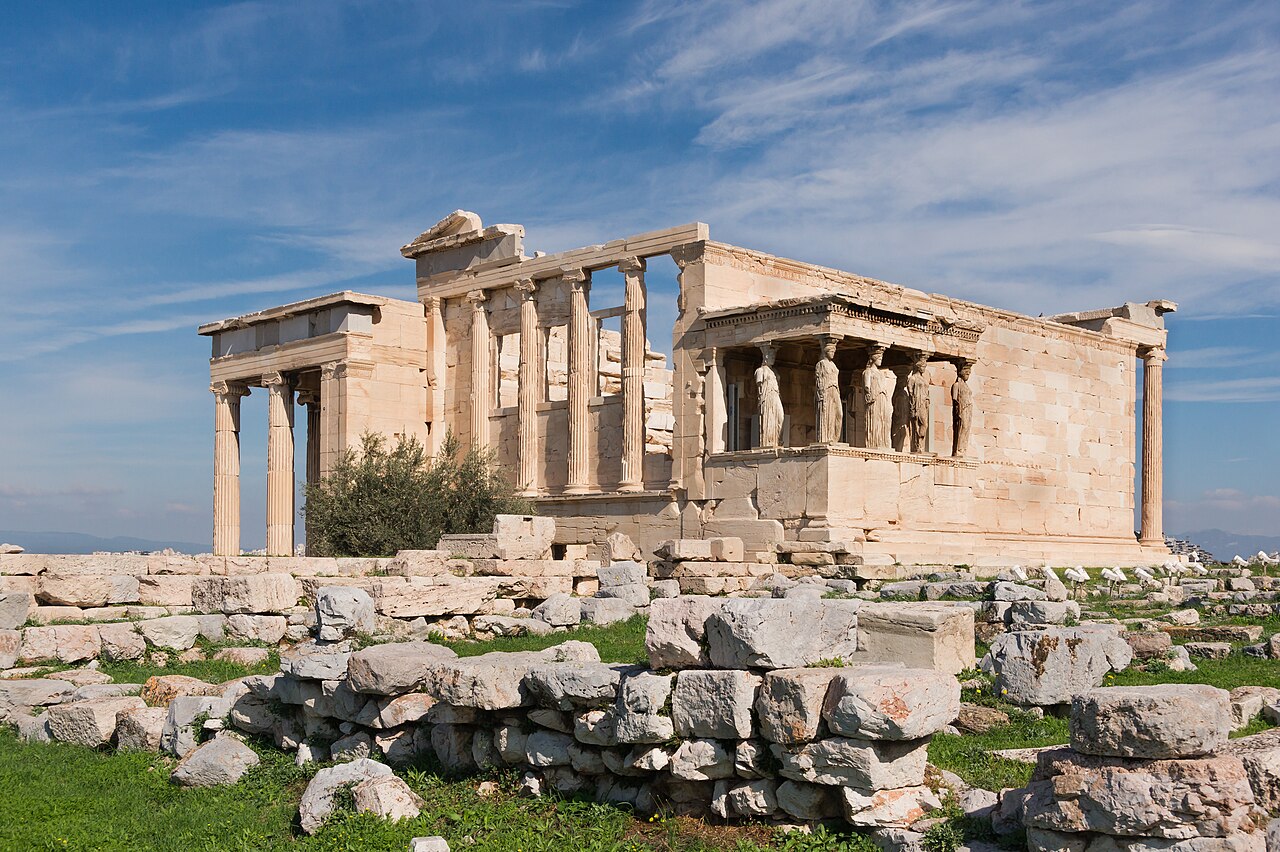
Erechtheion
Ionic temple on the north side of the Acropolis, built c. 421–406 BC on ground associated with several older cults. Its Porch of the Caryatids carries replica figures; five originals are in the Acropolis Museum and one is in the British Museum.
Ancient sites · Monastiraki
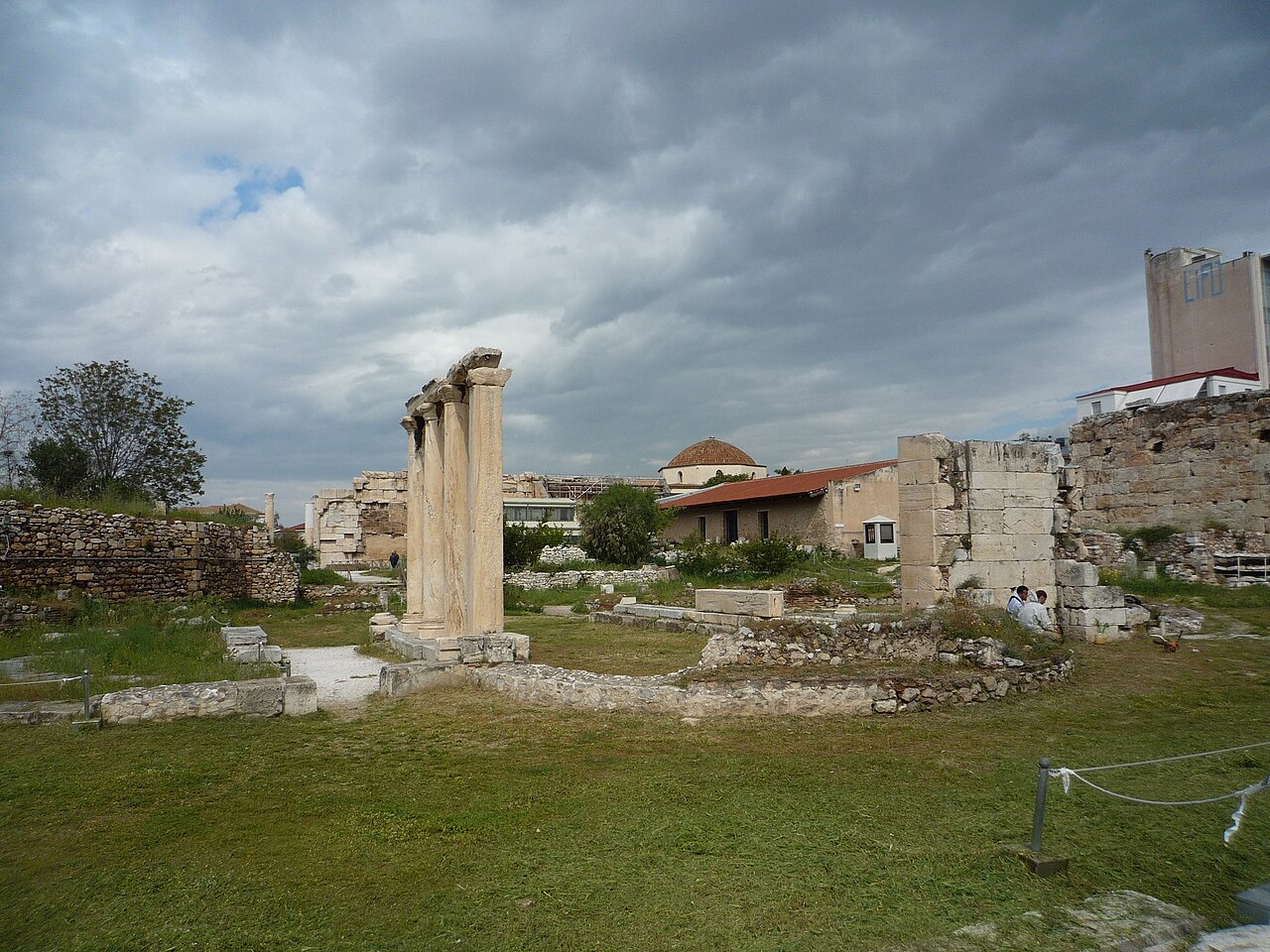
Hadrian's Library
A large walled complex built by the emperor Hadrian in AD 132 north of the Acropolis, with reading rooms, lecture halls and a courtyard around a pool. Remains of later churches built inside the courtyard are also visible.
Ancient sites · Kaisariani
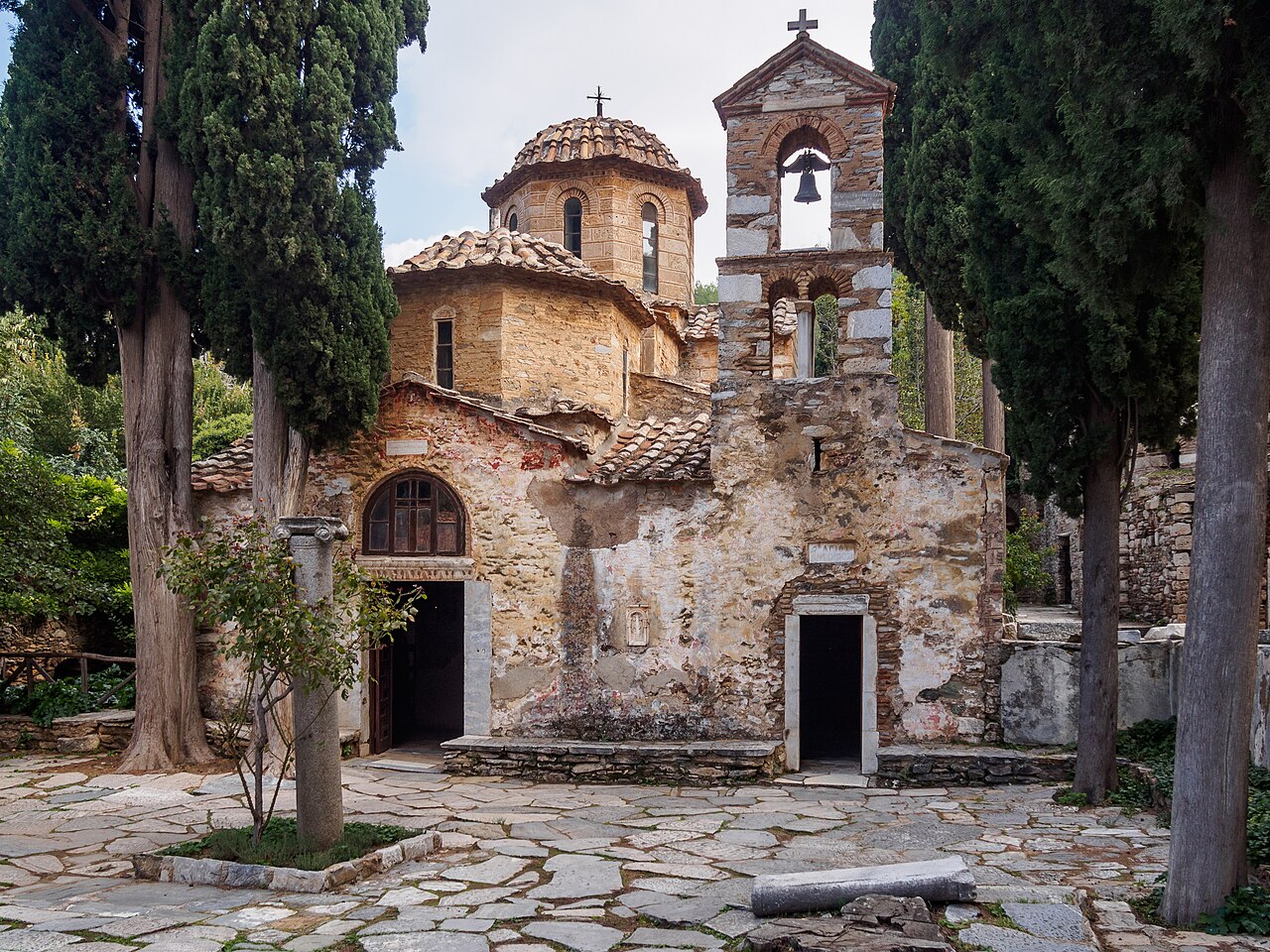
Kaisariani Monastery
A walled Byzantine monastery on the wooded north slope of Mount Hymettus, its katholikon dating to around 1100 and its frescoes mostly to the 17th and 18th centuries. It is no longer an active monastery but an archaeological site run by the Ministry of Culture, closed on Tuesdays.
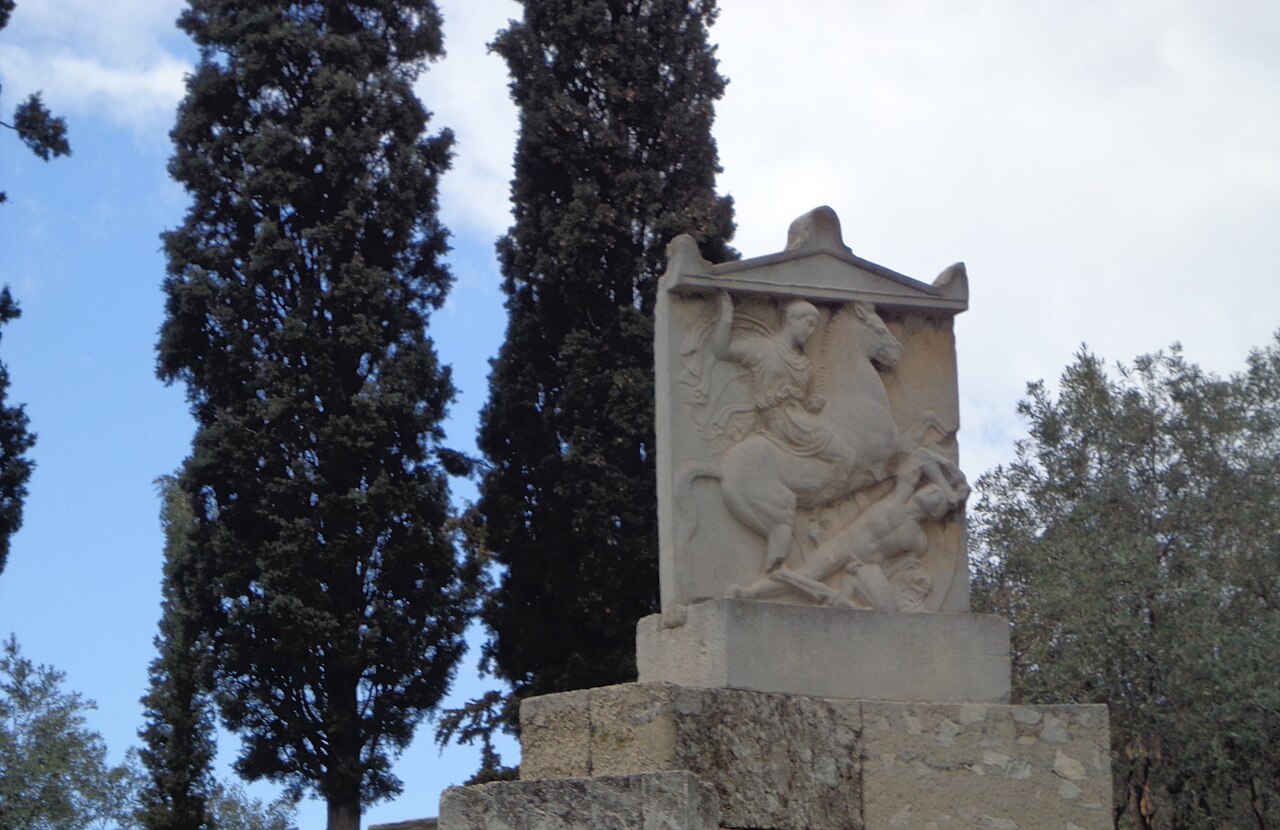
Ancient sites · Gazi / Kerameikos
Kerameikos
The potters' quarter and principal cemetery of ancient Athens, with the Dipylon and Sacred Gate, stretches of the city wall and grave monuments along the Street of Tombs, plus an on-site museum. The site and museum have been closed to the public since 5 May 2025 for an infrastructure and accessibility upgrade, and as of the Ephorate's January 2026 notice no reopening date had been given.
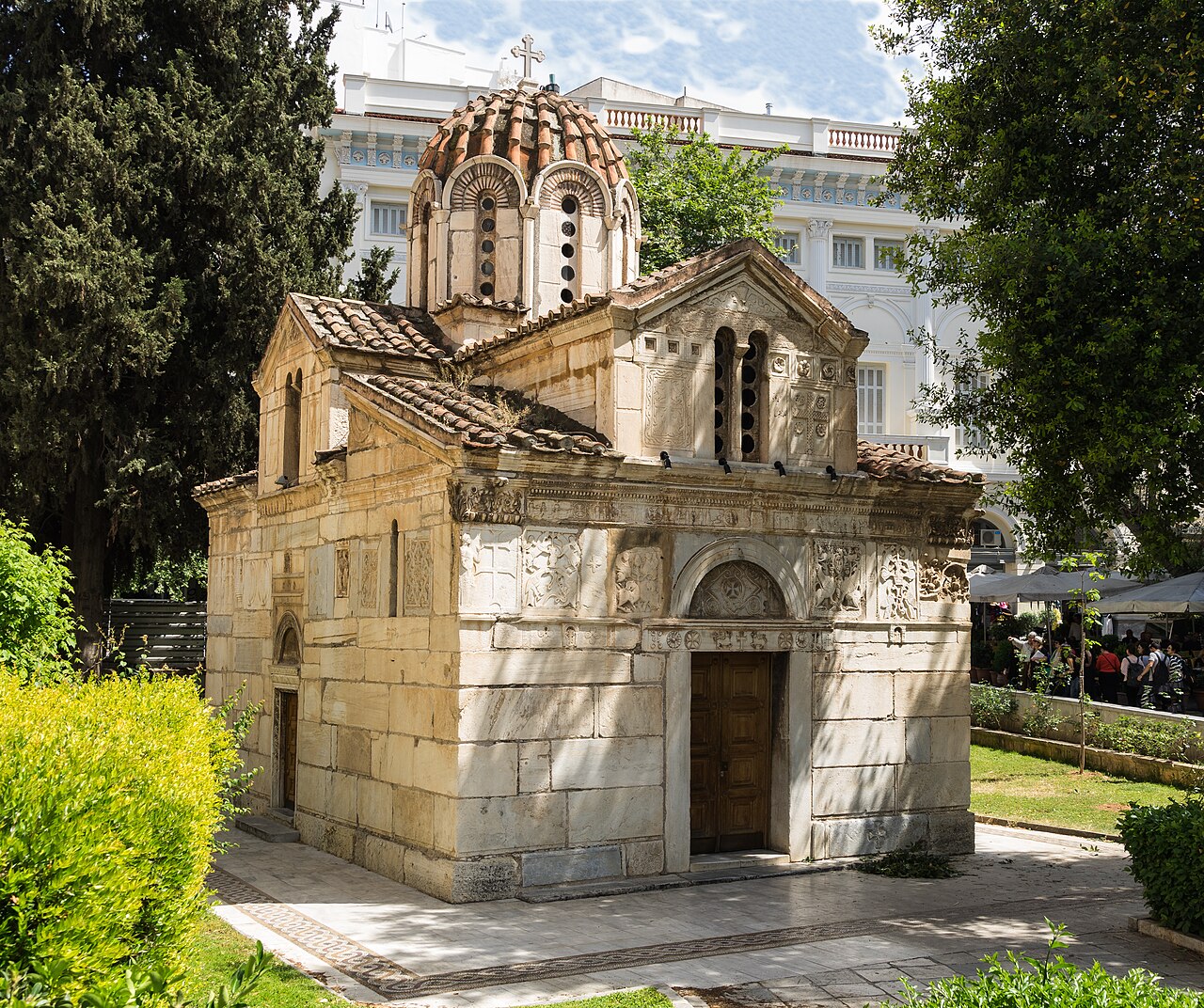
Ancient sites · Plaka
Little Metropolis (Panagia Gorgoepikoos / Agios Eleftherios)
A very small stone church beside the Metropolitan Cathedral, built almost entirely from reused ancient and early Christian carved blocks, including a marble calendar frieze over the door. Its date is disputed: long attributed to the 12th or 13th century, it has also been argued to be a post-1436 assembly of older spolia.
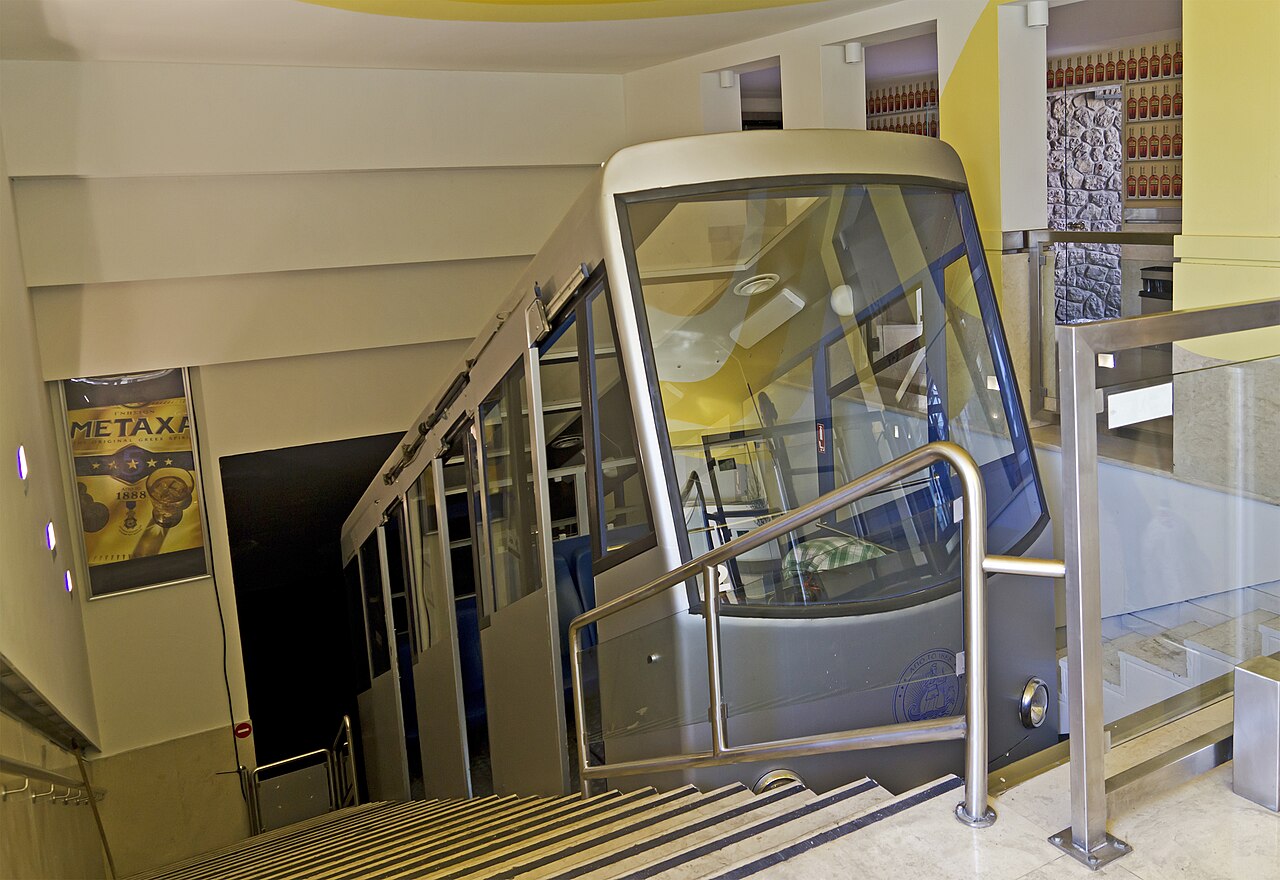
Ancient sites · Kolonaki
Mount Lycabettus
A limestone hill of 277 m, the highest point in central Athens, topped by the 19th-century chapel of St George, an open-air theatre and a restaurant. A funicular in tunnel runs from Aristippou Street in Kolonaki, or you can walk up on foot paths.
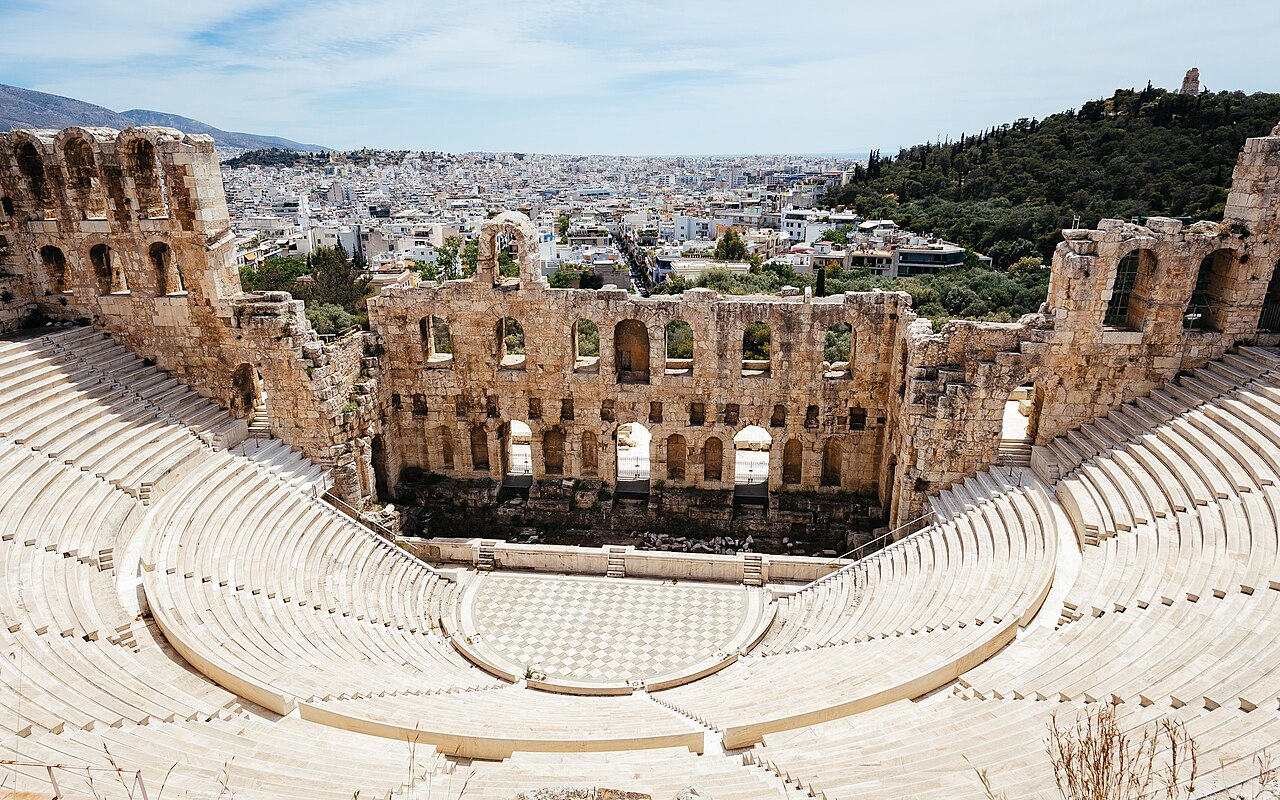
Ancient sites · Makrygianni
Odeon of Herodes Atticus
Roman theatre of about 5,000 seats on the south slope of the Acropolis, completed in AD 161 as a gift from Herodes Atticus. It has been the main summer stage of the Athens Epidaurus Festival, but after a final programme in June 2026 it closed to the public for restoration works expected to last around three years.
Ancient sites · Syntagma
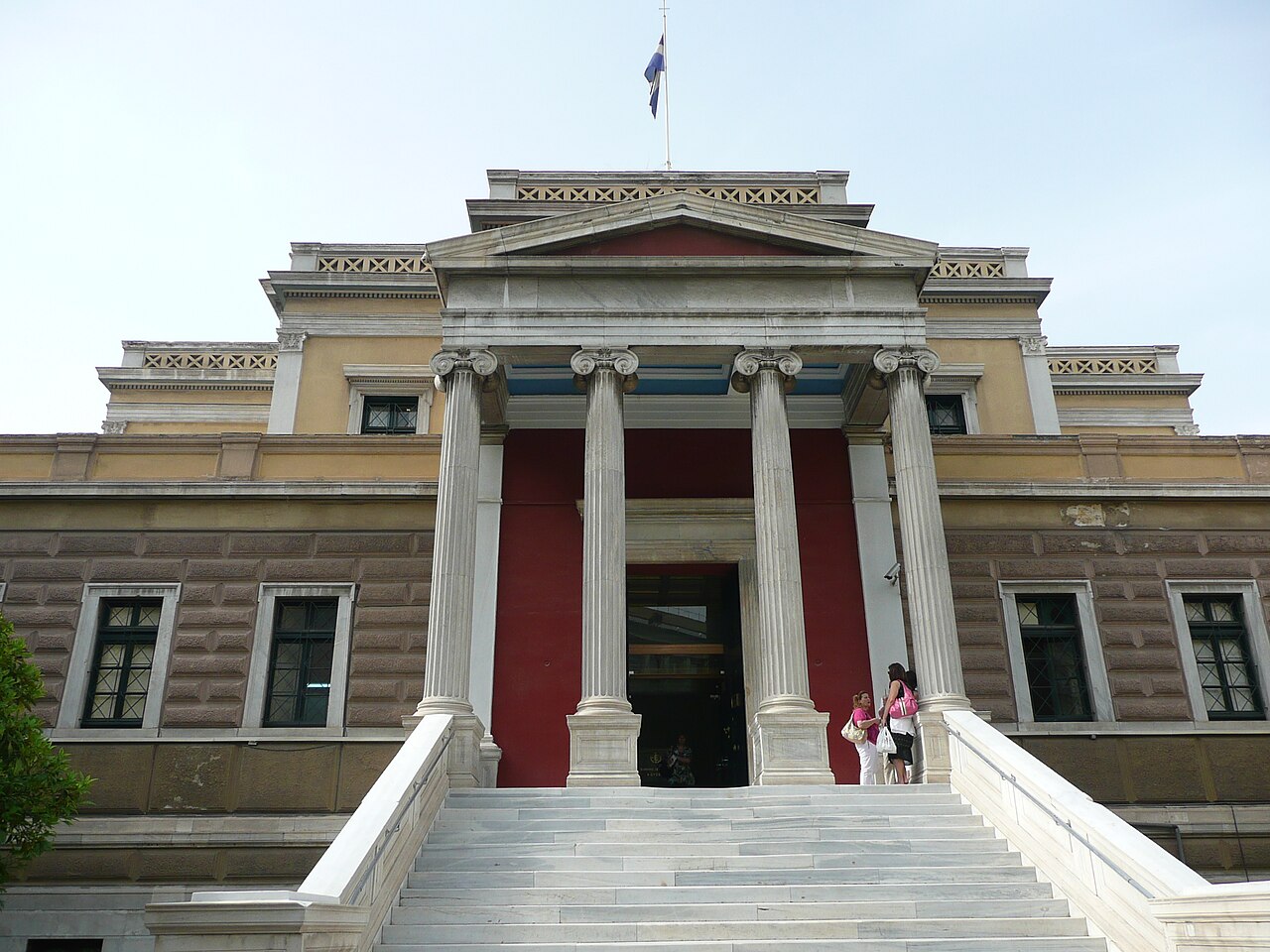
Old Parliament House
The neoclassical building on Stadiou Street that housed the Greek Parliament from 1875 to 1935. It has held the National Historical Museum since 1960, covering Greek history from the fall of Constantinople in 1453 to the Second World War; the statue of Kolokotronis stands in front.
Ancient sites · Pangrati
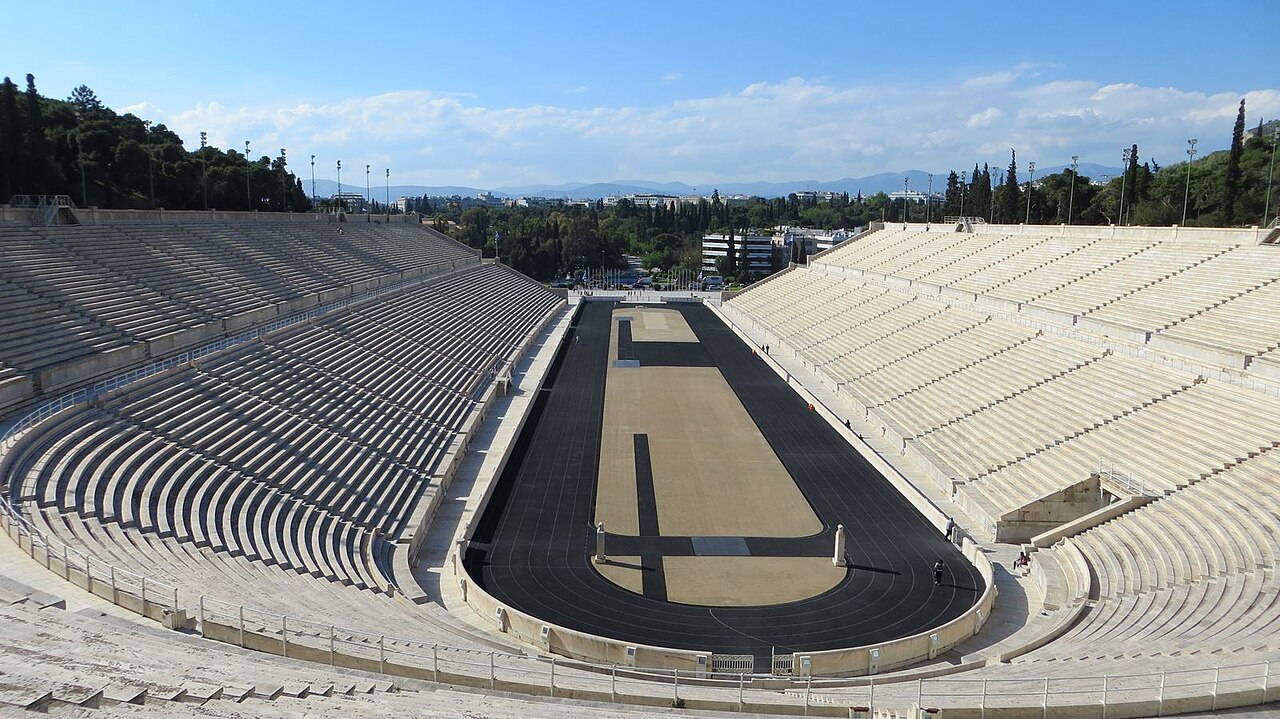
Panathenaic Stadium (Kallimarmaro)
A horseshoe stadium rebuilt entirely in Pentelic marble in the 1890s on the site of the 4th-century BC Panathenaic stadium, which is why it is nicknamed Kallimarmaro. It hosted the first modern Olympic Games in 1896 and is now the finish of the Athens Marathon and the handover point for the Olympic flame.
Ancient sites · Acropolis
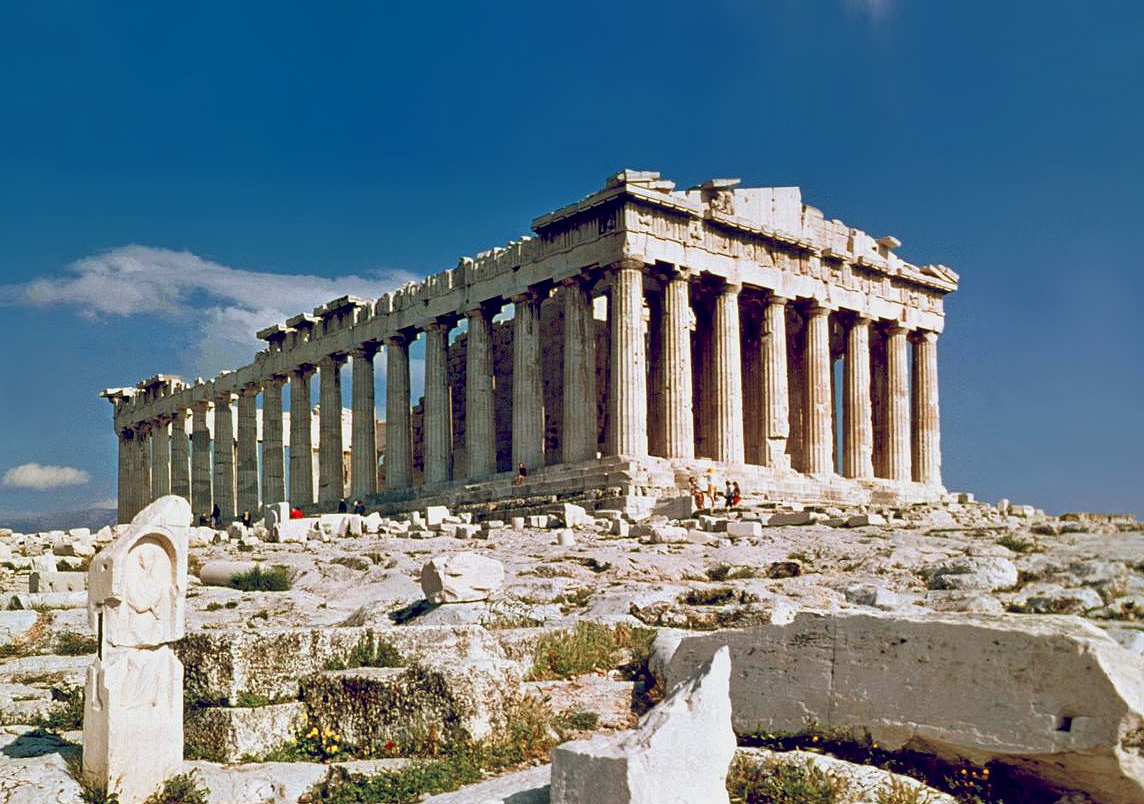
Parthenon
The Doric temple of Athena Parthenos on the summit of the Acropolis, begun in 447 BC and largely finished by 432 BC. Restoration and anastylosis work has been running continuously since 1975, so scaffolding and cranes are usually present.
Ancient sites · Koukaki
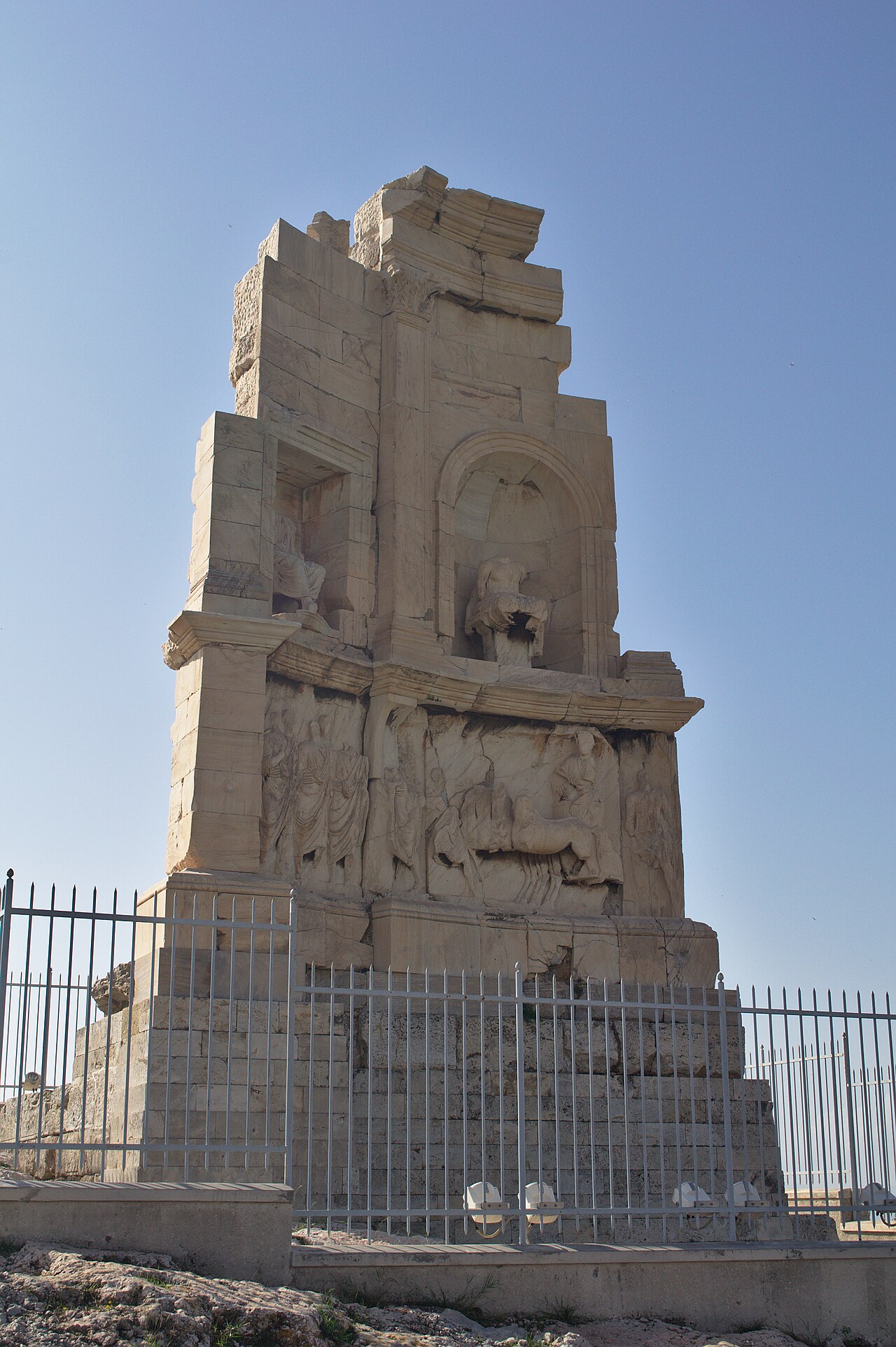
Philopappos Monument
A two-storey marble tomb of AD 114–116 for Gaius Julius Antiochus Epiphanes Philopappos, a prince of Commagene and Athenian benefactor, on the summit of the Hill of the Muses. The hill is a free public park with one of the standard head-on views of the Acropolis.
Ancient sites · Thiseio
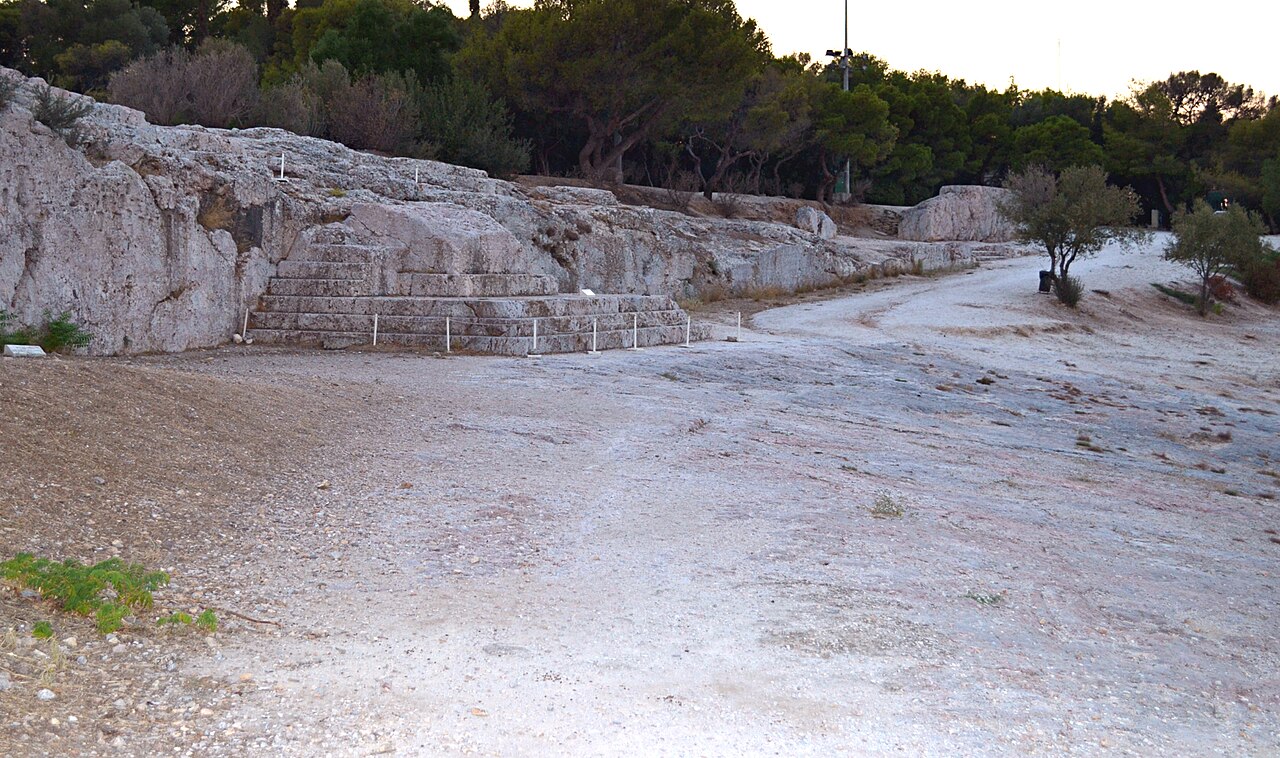
Pnyx
The hill west of the Acropolis where the Athenian assembly met from about 507 BC, with the rock-cut speakers' platform still visible. It is an unfenced part of the Philopappos parkland, free to enter and open at all hours.
Ancient sites · Acropolis
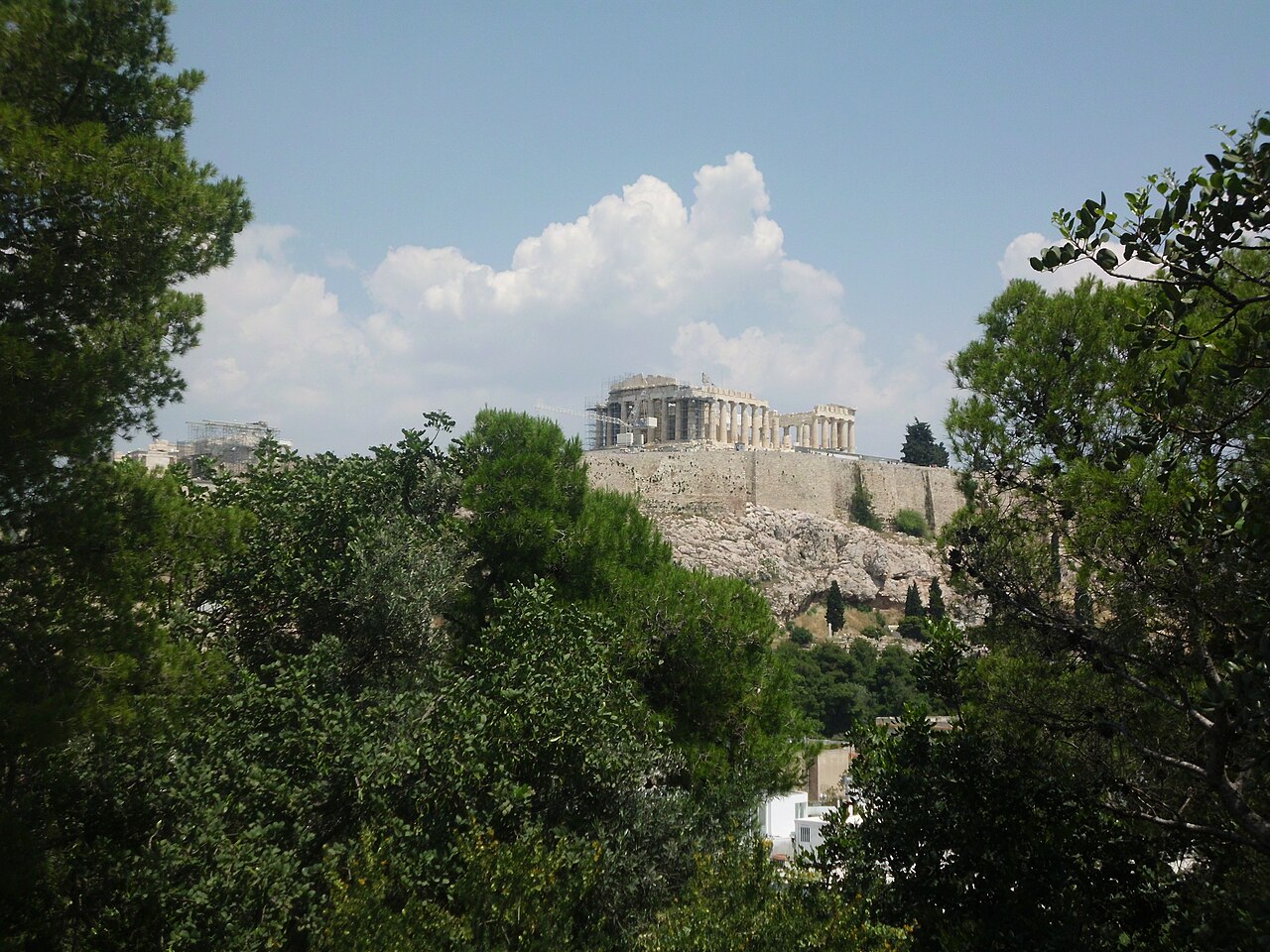
Propylaea
The monumental entrance to the Acropolis, built 437–432 BC to designs by the architect Mnesicles and left unfinished. Every visitor passes through it, so it is busiest in the two hours after opening.
Ancient sites · Plaka
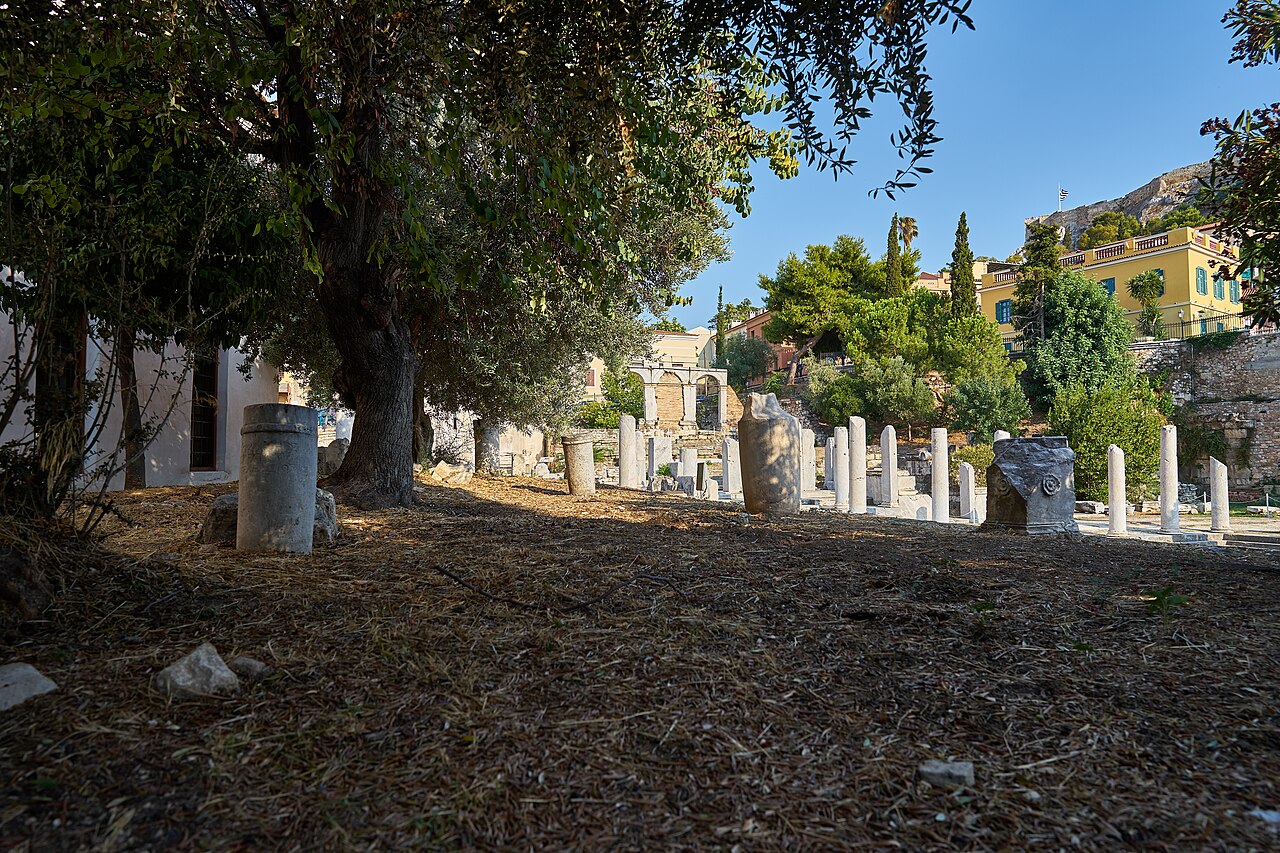
Roman Agora
The market square built between about 27 and 10 BC with funds from Augustus, east of the older Greek Agora. Its west entrance is the Doric Gate of Athena Archegetis, and the Tower of the Winds stands inside the enclosure.
Ancient sites · Monastiraki
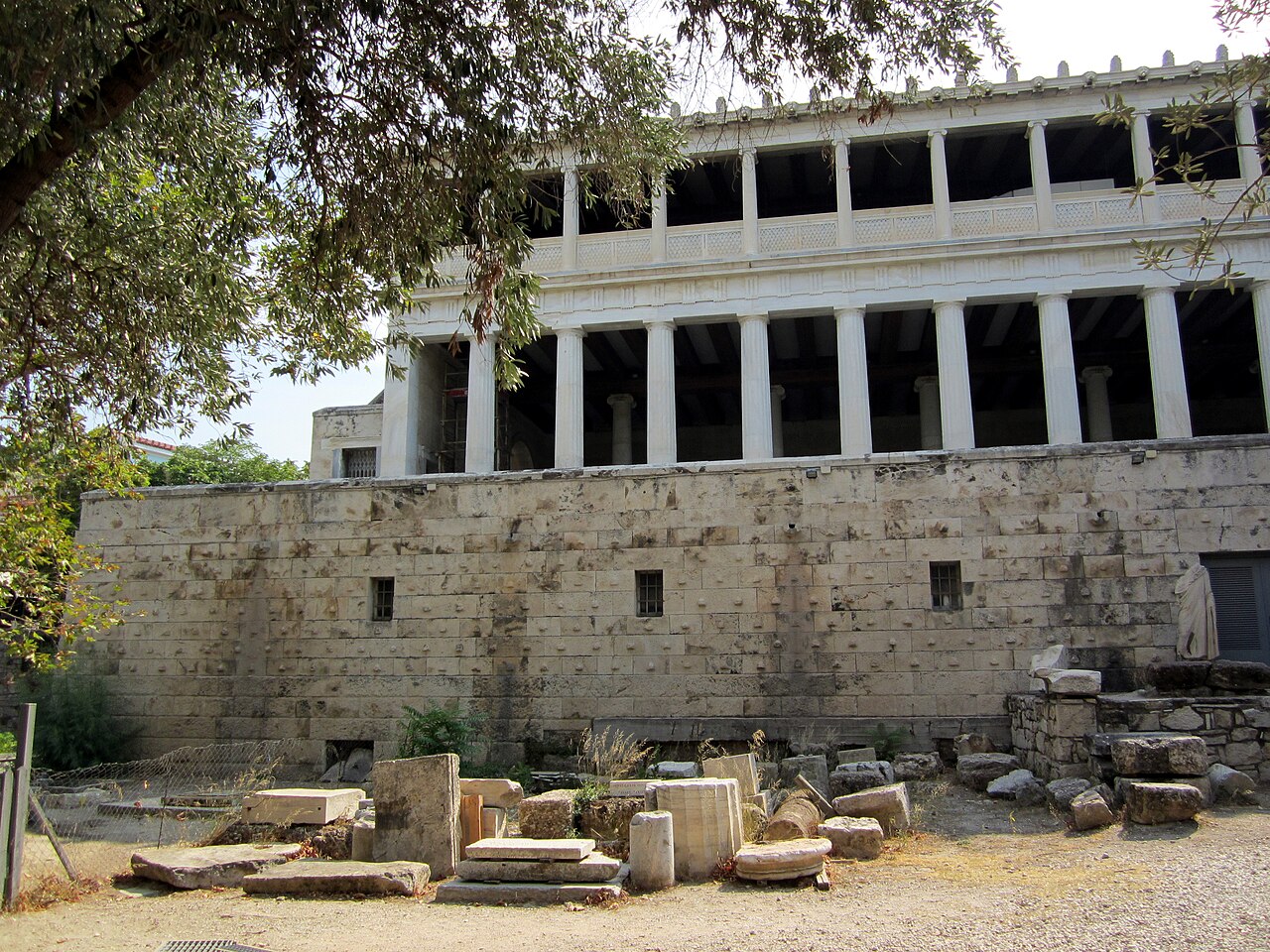
Stoa of Attalos
A two-storey colonnaded hall given by Attalos II of Pergamon around 150 BC and rebuilt from 1952 to 1956 by the American School of Classical Studies. It houses the Museum of the Ancient Agora, with finds from the 7th century BC to the Byzantine period including voting and jury equipment from the Athenian courts.
Ancient sites · Syntagma
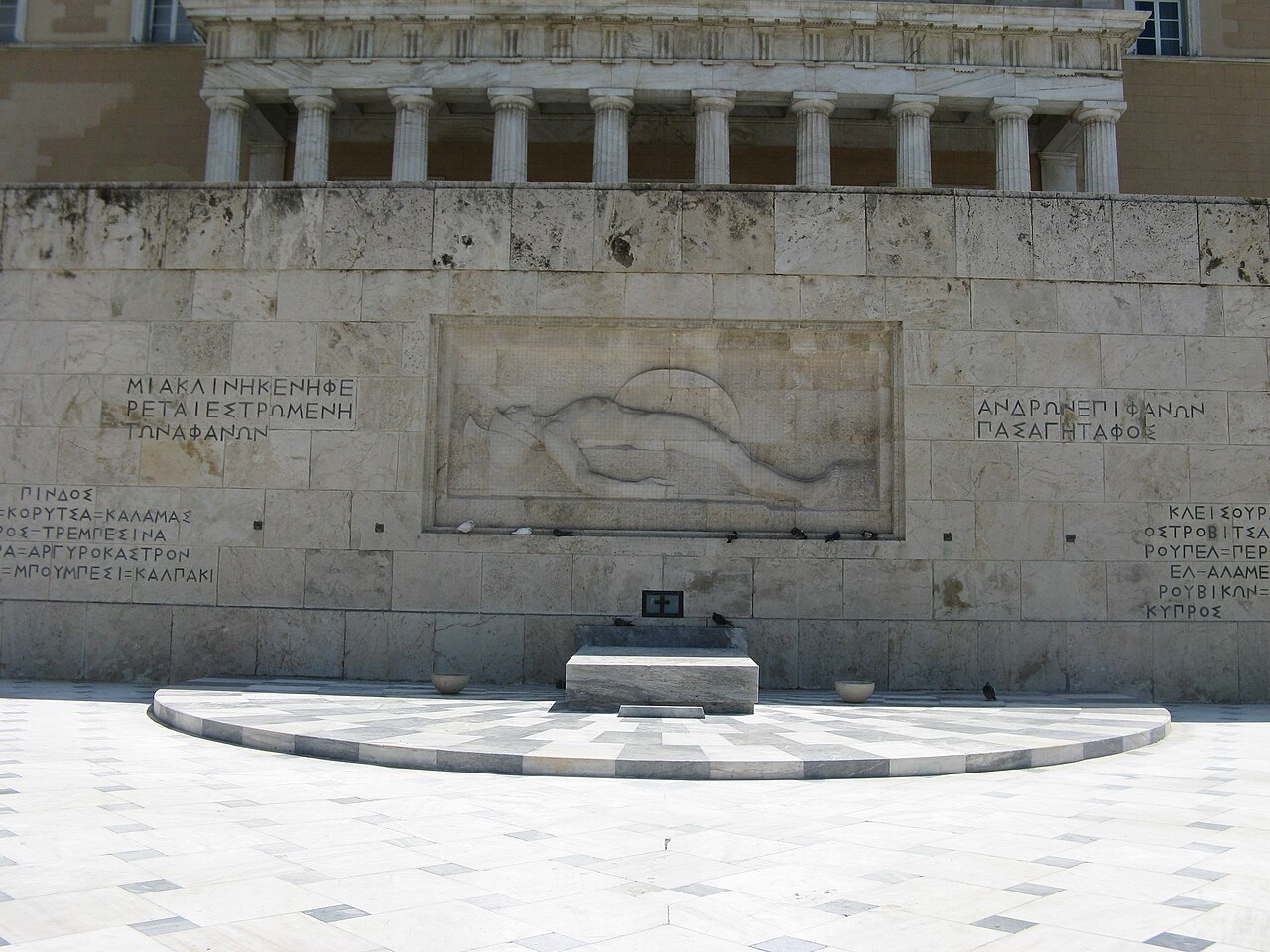
Syntagma Square and the Tomb of the Unknown Soldier
The central square of Athens, named after the constitution granted in September 1843, facing the Old Royal Palace which has housed Parliament since 1934. The Tomb of the Unknown Soldier below the Parliament, a relief of a fallen warrior, is guarded by Evzones of the Presidential Guard who change on the hour; the larger ceremony with a band takes place on Sunday mornings at about 11:00.
Ancient sites · Acropolis
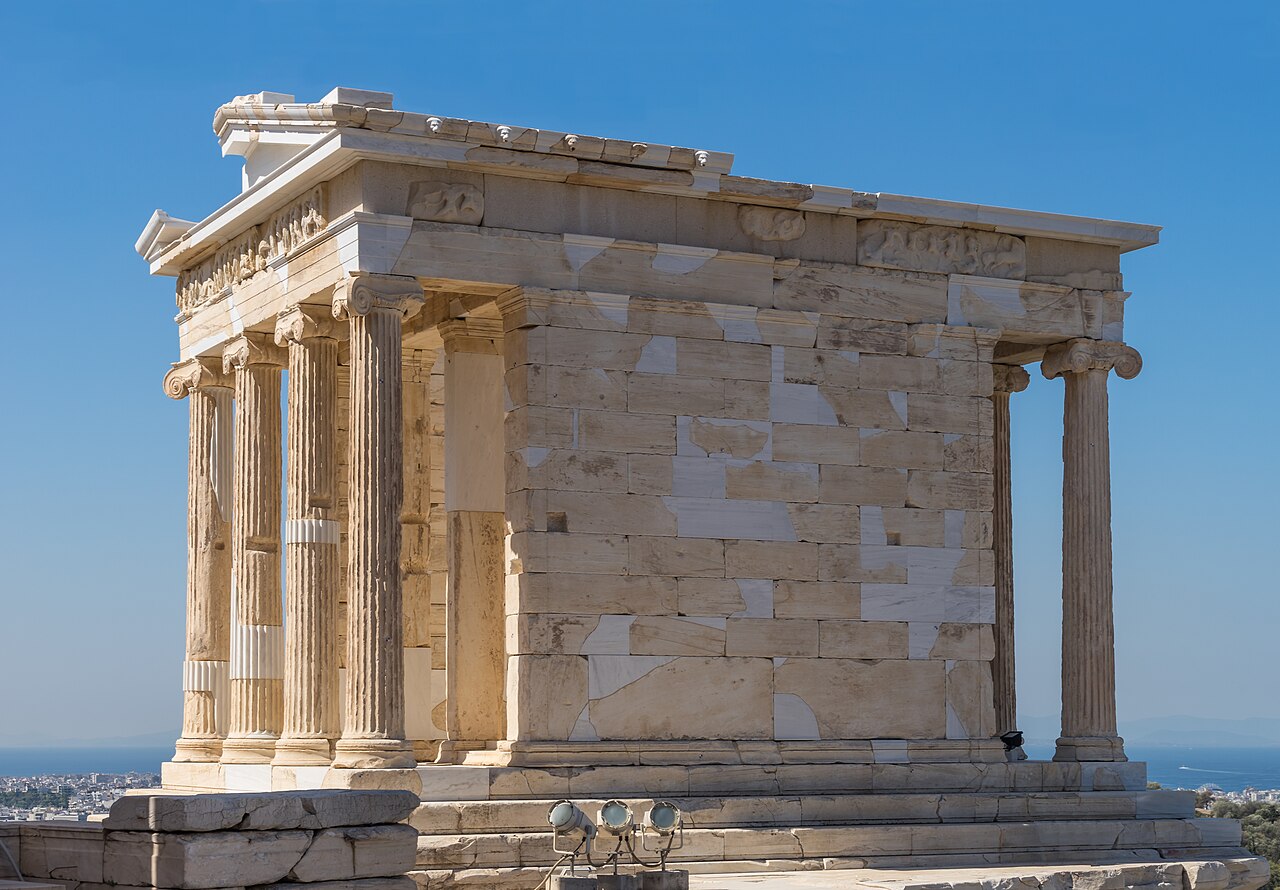
Temple of Athena Nike
The smallest temple on the Acropolis, built around 420 BC on a bastion beside the Propylaea and dedicated to Athena as bringer of victory. It has been dismantled and rebuilt several times, most recently in a programme completed in the 2000s.
Ancient sites · Thiseio
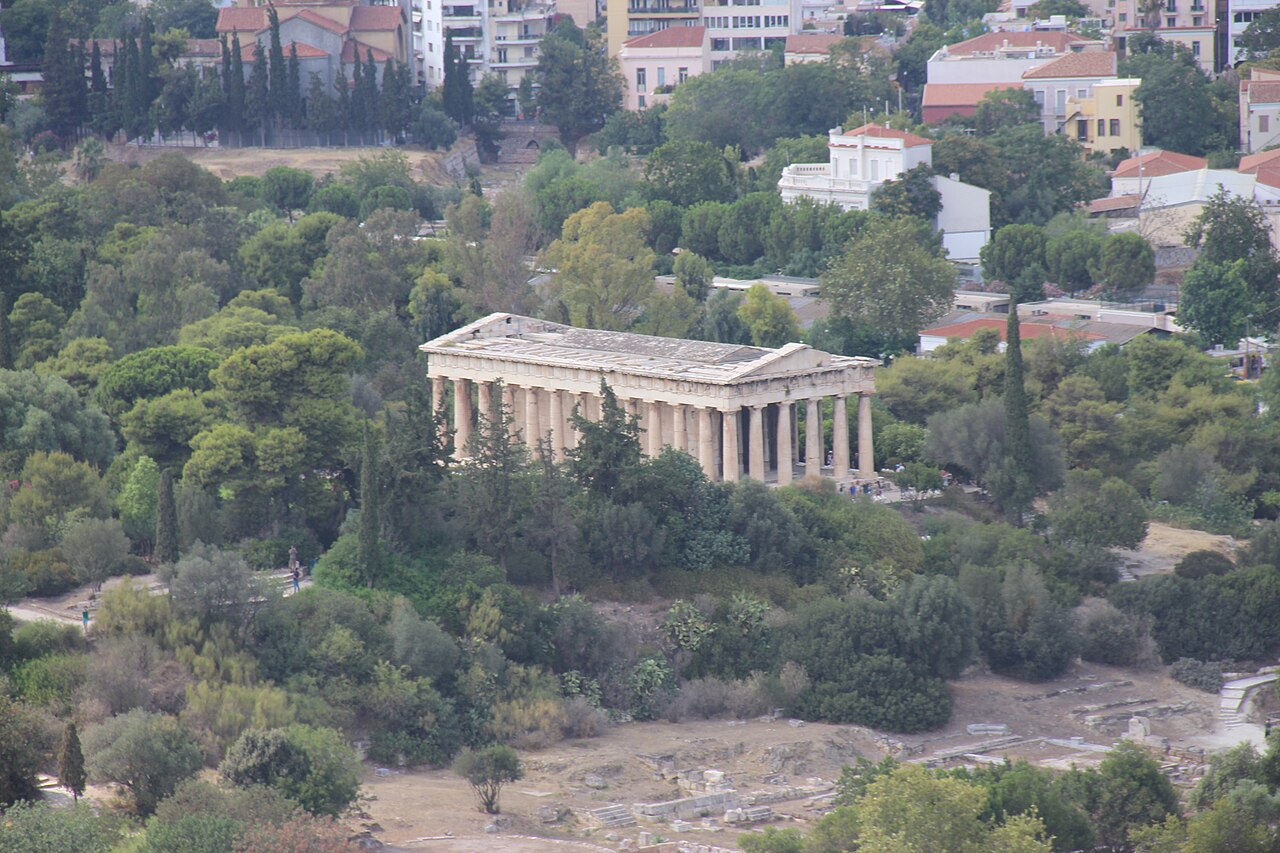
Temple of Hephaestus
Doric temple of the 5th century BC on the west edge of the Ancient Agora, the most completely preserved Greek temple standing. Its survival is owed to its use as a Christian church for roughly a thousand years; it gave the surrounding Thiseio district its name.
Ancient sites · Plaka
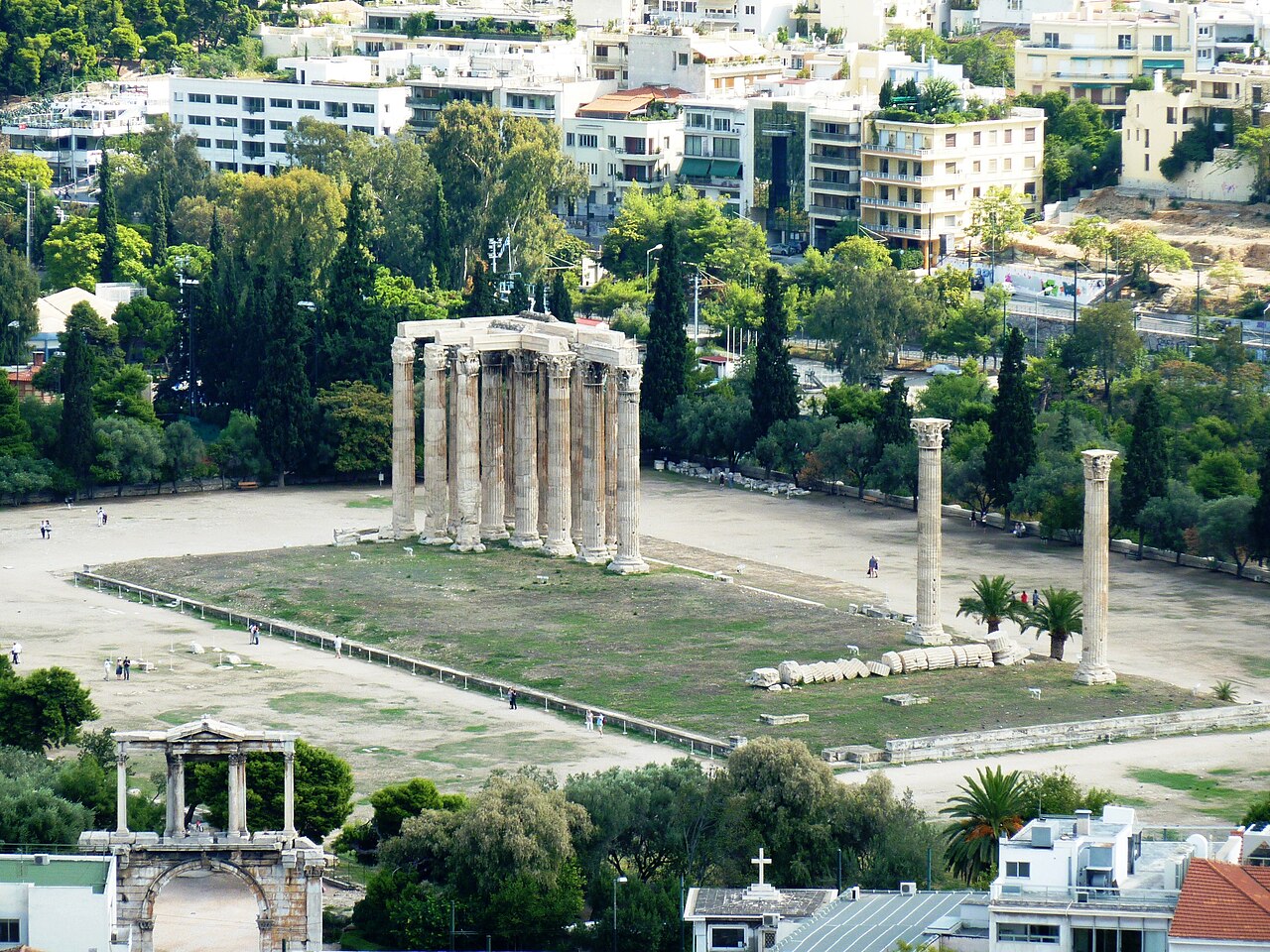
Temple of Olympian Zeus
A colossal Corinthian temple begun in the 6th century BC and completed under Hadrian in AD 131, after roughly 638 years of interrupted building. Of its original 104 columns, sixteen survive and fifteen are still standing; one fell in a storm in 1852 and lies where it landed.
Ancient sites · Makrygianni
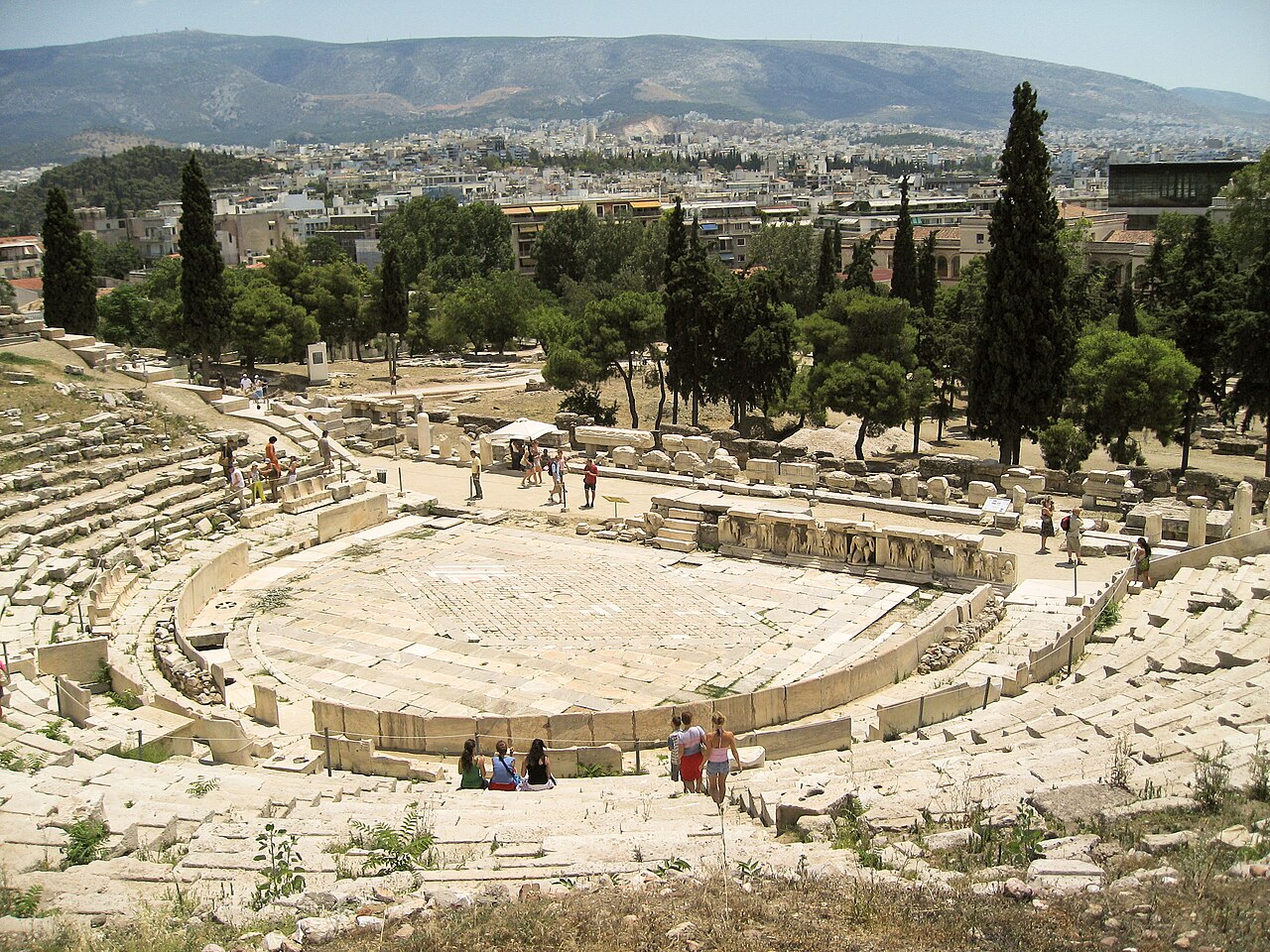
Theatre of Dionysus
The theatre on the south slope of the Acropolis where the plays of Aeschylus, Sophocles, Euripides and Aristophanes were first staged at the City Dionysia. In its 4th-century BC form it held up to about 25,000 people; it is entered on the Acropolis slopes ticket.
Ancient sites · Plaka
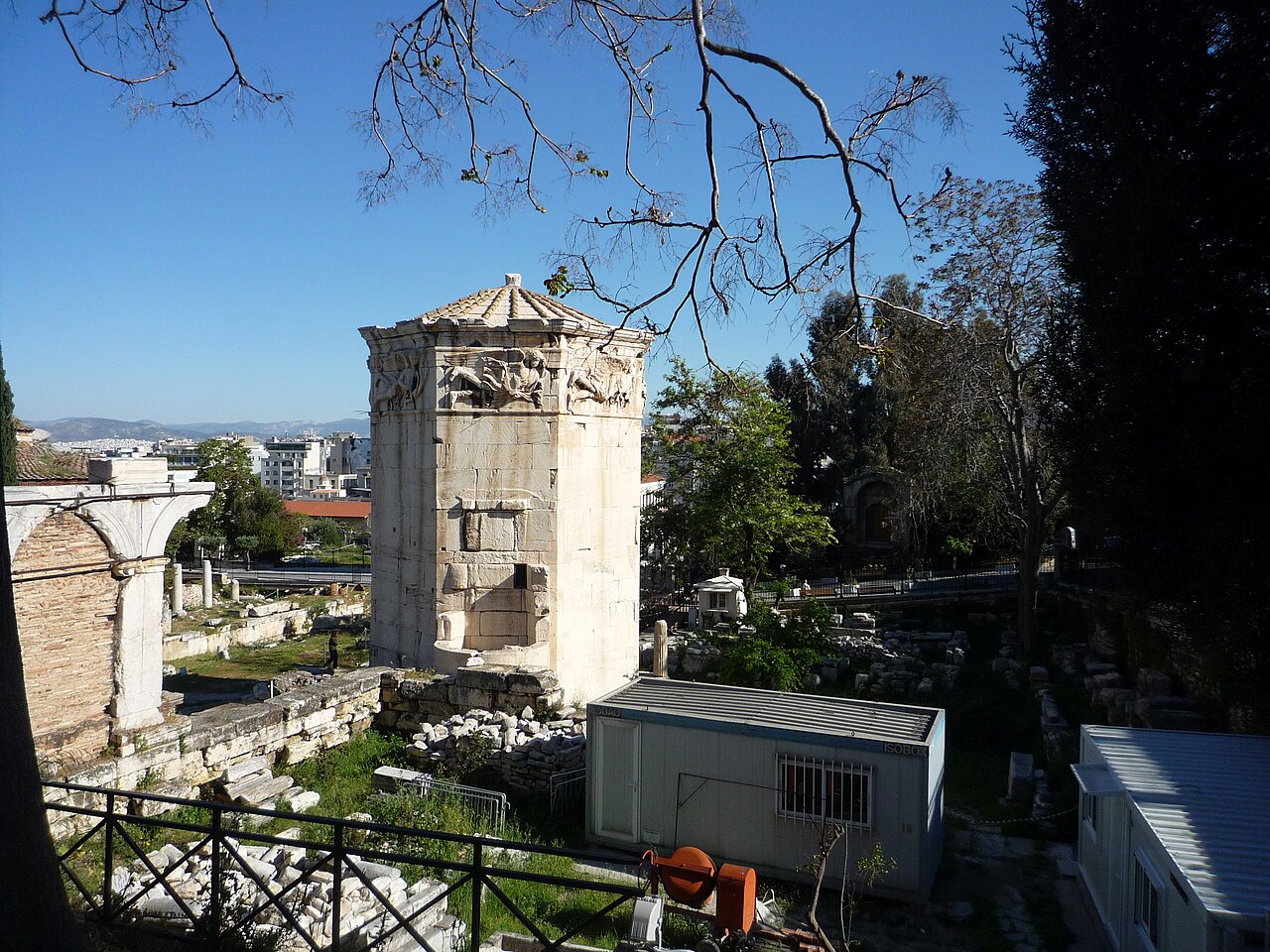
Tower of the Winds
An octagonal marble timekeeping tower of about 50 BC inside the Roman Agora, fitted with sundials on each face and a water clock inside. Each side carries a relief of one of the eight winds; it is one of very few classical buildings still standing largely intact.
Ancient sites · Syntagma
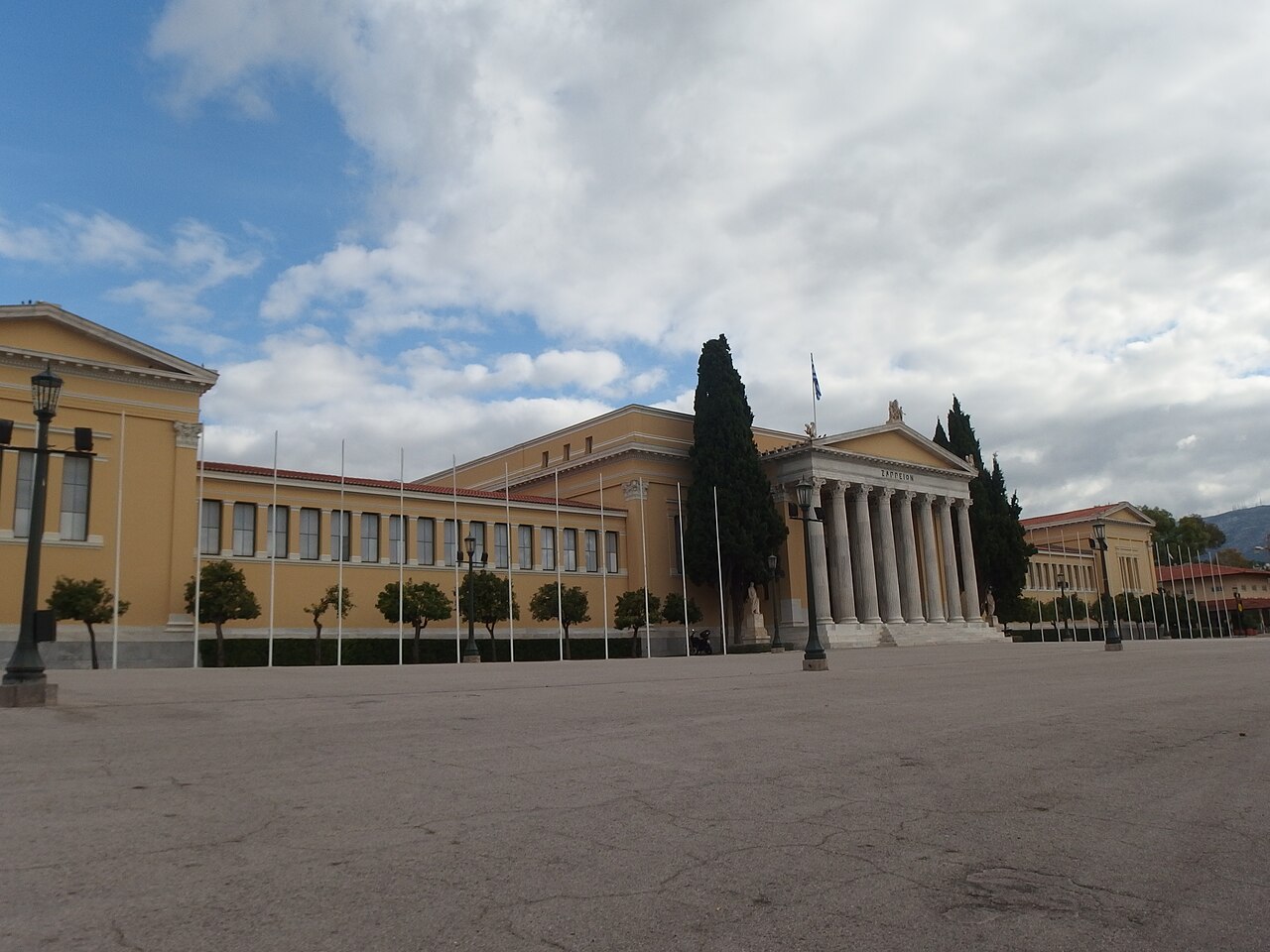
Zappeion
A neoclassical hall built 1874–1888 to designs by Theophil Hansen, financed by Evangelos and Konstantinos Zappas, at the south end of the National Gardens. It served the 1896 Olympics and is now a conference and exhibition centre; the circular colonnaded courtyard and surrounding gardens are open to walk through.