Entdecken
Ideal für
14 Ergebnisse
Museen · Skala Eresou (west Lesbos)
Archaeological Collection of Eresos
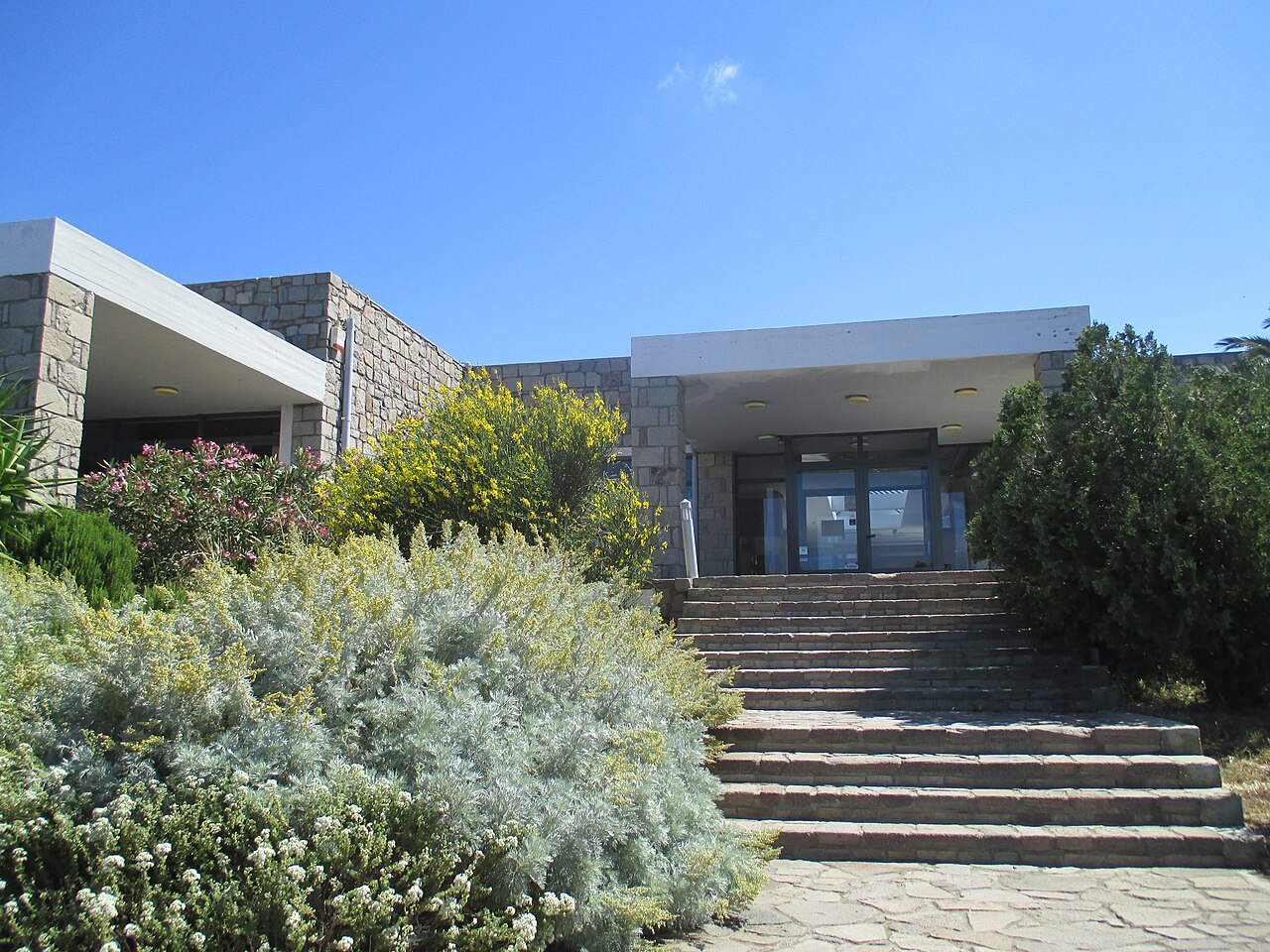
A small state collection at Skala Eresou, housed since 2012 in a purpose-built stone building with an adjoining partly open-air courtyard. The thematic displays cover ancient Eresos from the Late Helladic period to Early Christian times, with everyday pottery, votive reliefs and figurines of deities, burial finds including grave reliefs and a clay sarcophagus, and public inscriptions.
Museen · Mytilene
Archaeological Museum of Mytilene - New Wing
Opened in 1999 on 8th Noemvriou Street in the Kioski district below the castle, this purpose-built museum covers Hellenistic and Roman Lesbos in six exhibition spaces. Highlights are the mosaic floors and sculpture from Roman houses of Mytilene, including the mosaics illustrating scenes from Menander; the building also holds ceramics and metals conservation laboratories and runs education programmes.
Museen · Mytilene
Archaeological Museum of Mytilene - Old Wing
The older of the museum's two buildings, an eclectic-style mansion built in 1912 for the Vournazos family at 7 Argyri Eftalioti Street. Its first floor shows Late Neolithic and Bronze Age finds in three halls, the second floor covers the 10th to 4th centuries BC across six halls, and the outbuilding displays architectural members and monumental sculpture.
Museen · Mytilene
Church History and Byzantine Museum of Mytilene
Founded in 1978 around a Byzantine icon collection begun in 1958, and housed in a building on Agios Therapon Square opposite the church of Agios Therapon. It displays portable icons and religious folk art from the 13th to the 20th century together with woodcarvings, vestments, manuscripts and liturgical objects.
Museen · Sykaminia (north Lesbos)
Folklore Museum of Sykaminia
A village museum in the stone former primary school of Sykaminia, showing looms, local costumes and a preserved classroom with its original wooden desks and blackboard. Its best-known section reassembles the study of the writer Stratis Myrivilis, who was born in the village, with his bed, bookcases, desk, typewriter, pipes and musical instruments.
Museen · Chidira (west Lesbos)
Georgios Iakovidis Digital Museum
A museum in the mountain village of Chidira dedicated to the painter Georgios Iakovidis, who was born there, presented entirely through digital projections and interactive systems rather than original canvases. Visitors can zoom into individual works, analyse details and compare them with paintings by the artist's teachers; it was created by the N. G. Papadimitriou Educational and Cultural Foundation and is described as the first digital museum in Greece.
Museen · Agia Paraskevi (central Lesbos)
Museum of Industrial Olive Oil Production of Lesvos
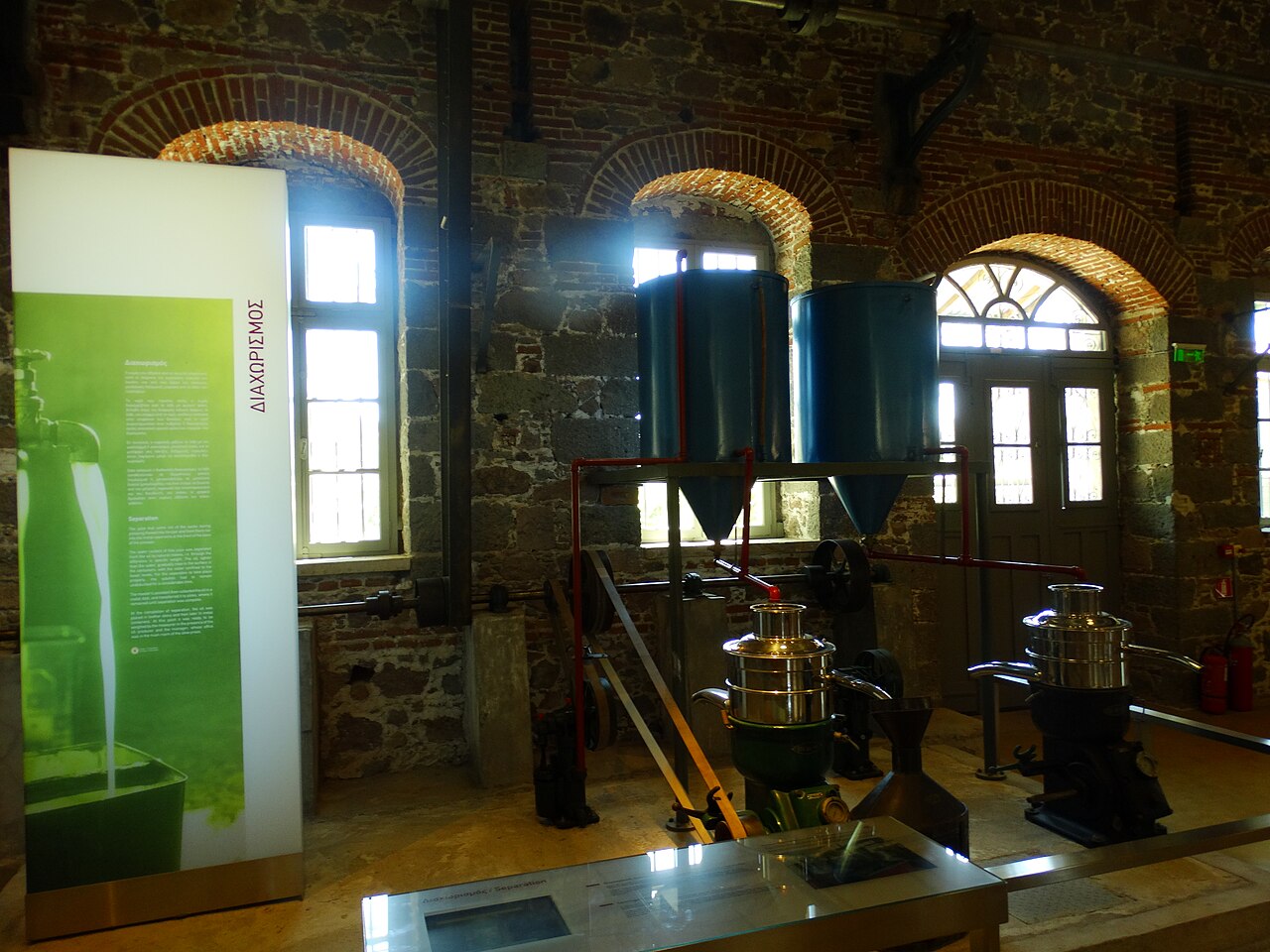
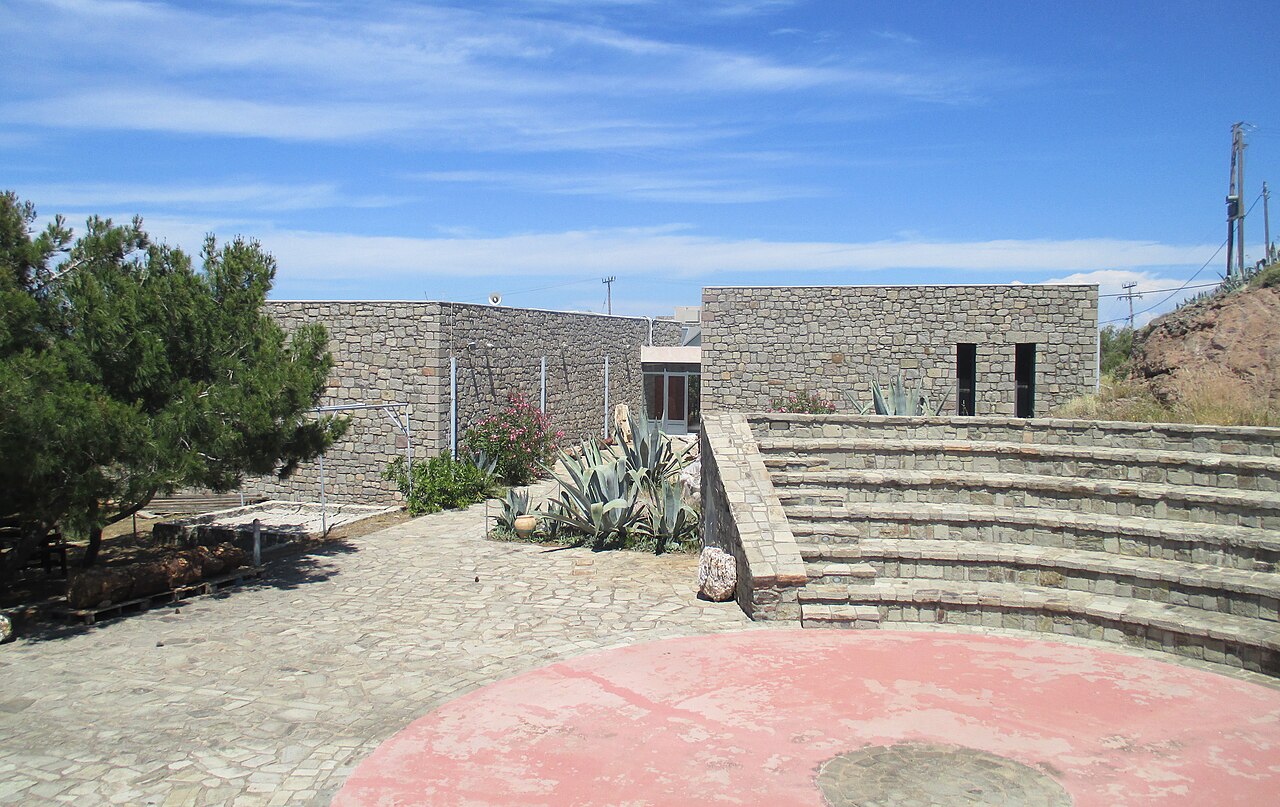
Housed in a restored communal olive mill at Agia Paraskevi and run by the Piraeus Bank Group Cultural Foundation, this museum presents the three stages of mechanised olive oil production - crushing, pressing and separation - with the original machinery in place. Adjoining warehouses cover cultivation, by-products, the oil trade and the trades that grew around it, and the site includes a multipurpose hall, cafe and open-air amphitheatre.
Museen · Vrisa, Polichnitos (south Lesbos)
Natural History Collection of Vrisa
Opened in September 1999 in the old girls' school of Vrisa, this collection presents Pleistocene vertebrate fossils recovered from the nearby Vatera fossil beds, including bones of rhinoceros, camel, antelope, gazelle and elephant and tortoise shells up to 2.5 m long, plus a find attributed to a primate of the genus Paradolichopithecus. It also holds mineral, rock, zoological and botanical exhibits.
Museen · Sigri
Natural History Museum of the Lesvos Petrified Forest
Founded in 1994 at Sigri, this is the research, conservation and visitor centre for the Petrified Forest and the managing body of the Lesvos Island UNESCO Global Geopark. Displays cover petrified trunks, branches, roots and leaves, the volcanic activity that fossilised them around 20 million years ago, and the geological evolution of Lesvos and the Aegean; it also runs the fossil parks and guided visits. Listed opening hours are Monday-Sunday 09:00-17:00.
Museen · Plomari (south Lesbos)
World of Ouzo Museum - Isidoros Arvanitis Distillery
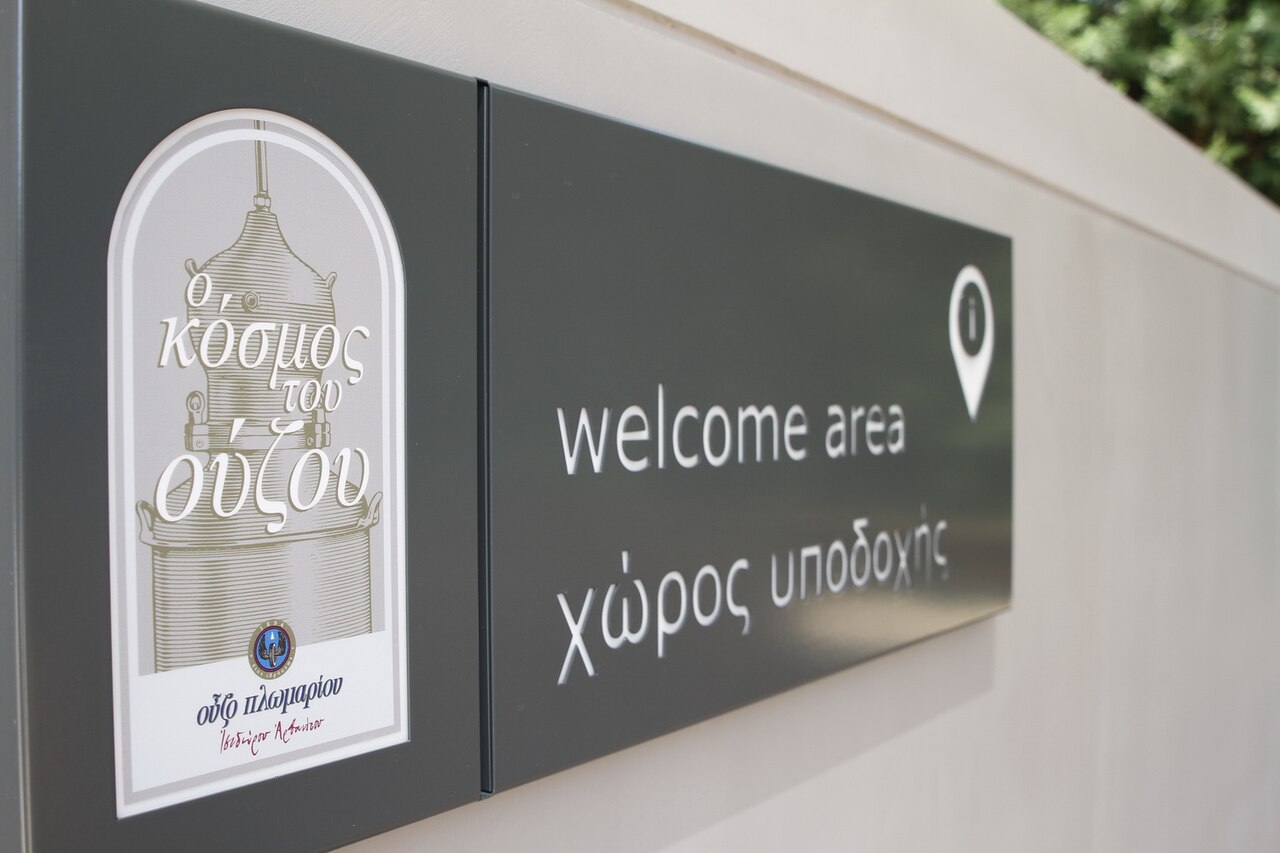
A visitor museum inside the working Isidoros Arvanitis (Ouzo Plomari) distillery at Kampos Plagias near Plomari. Visitors handle the botanicals used in the recipe, including anise from nearby Lisvori, see distillation in eighteen hand-made copper stills and the modern bottling line, and view historic equipment, labels, scales and bottles.
Museen · Varia, Mytilene (east Lesbos)
Stratis Eleftheriadis-Teriade Museum and Library
Opened in August 1979 in the painter's home village of Varia outside Mytilene, this museum holds the complete publishing output of the Lesbos-born Paris publisher Stratis Eleftheriadis (Teriade). The permanent collection includes issues of the review Verve and the Grands Livres with original works by Chagall, Picasso, Matisse and others, alongside facsimiles of medieval manuscripts; it also hosts retrospective exhibitions.
Museen · Varia, Mytilene (east Lesbos)
Theophilos Museum
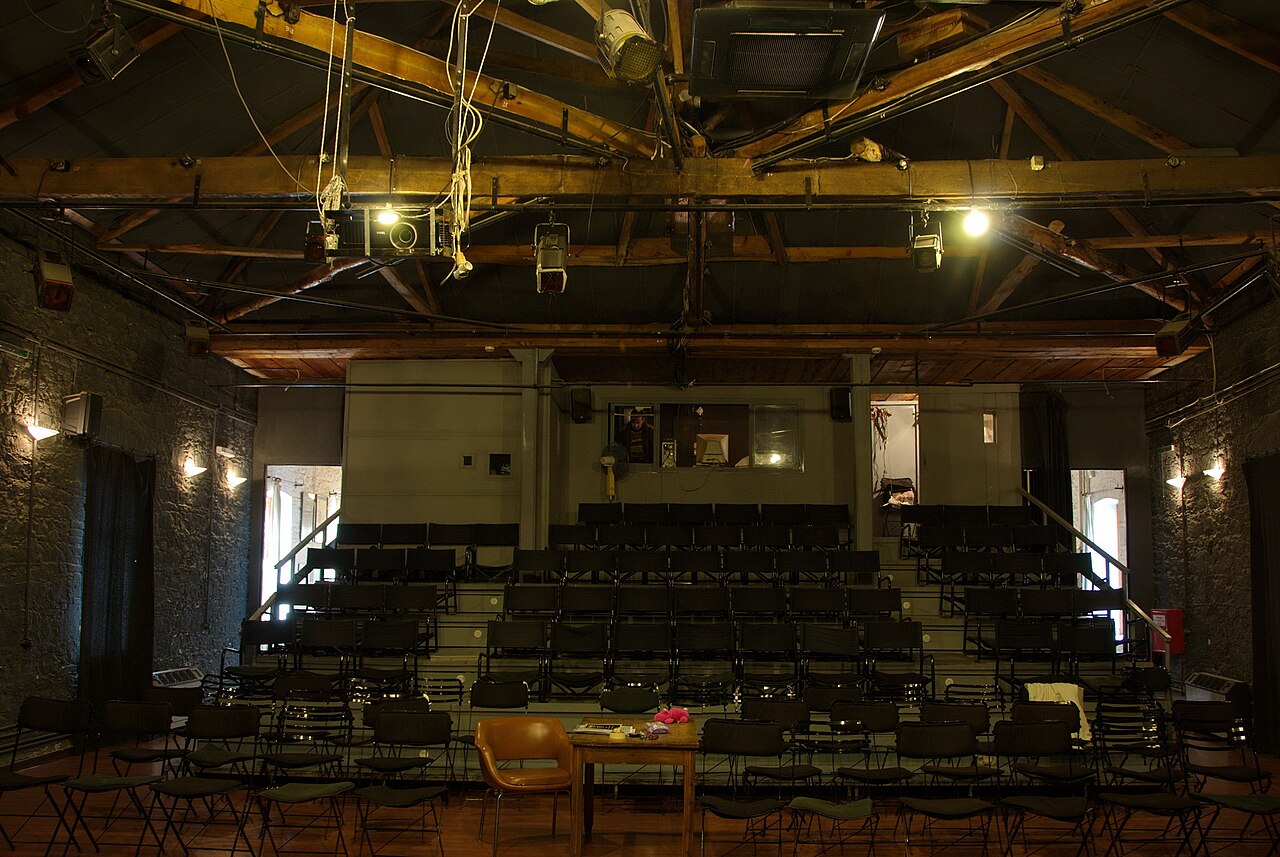
A purpose-built museum of 1964 in an olive grove at Varia, holding 86 works by the Lesbos folk painter Theophilos Hatzimichail across four halls. The paintings, showing rural and everyday scenes, landscapes and historical figures such as Alexander the Great and heroes of 1821, came from the private collection of publisher Stratis Eleftheriadis-Teriade, who donated the museum to the Municipality of Mytilene in 1965.
Museen · Plomari (south Lesbos)
Varvayannis Ouzo Museum
A museum beside the Varvayannis distilleries in Plomari covering the family's ouzo-making since 1858, when their first alembic was made in Constantinople. Exhibits include that original still, historic bottling equipment and the firm's blue labels, with audio-visual presentations in Greek and English, tastings and a shop.
Museen · Papados, Gera (east Lesbos)
Vranas Olive Press and Museum
A steam-powered olive mill at Papados in the Gera district, built in 1887 by Nikolaos Vranas, grandfather of the Nobel laureate poet Odysseas Elytis, and worked for about ninety years until it closed in the early 1970s. The ruined complex was acquired and restored by the cultural organisation Archipelagos and reopened as a museum with its original machinery in place.